Language: English | Espana

Download free Ramen PNG images and clipart with transparent backgrounds. This gallery includes Ramen PNG images free download and cutout images for web design, presentations, banners and creative projects.
In this Ramen PNG gallery, you can download 25 free PNG images with transparent backgrounds.
This gallery contains 25 PNG images with transparent backgrounds. Image dimensions range from 400x400 to 2500x2500 pixels.
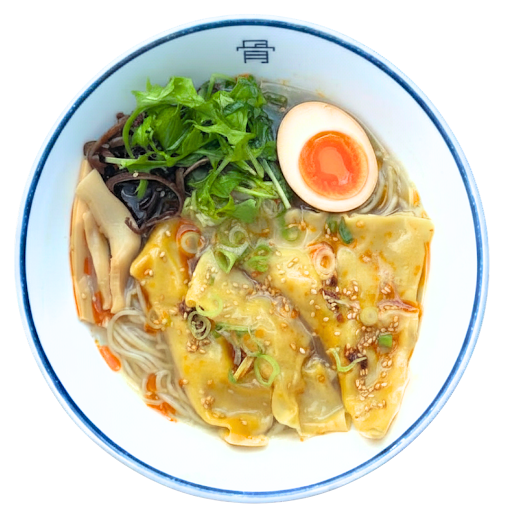
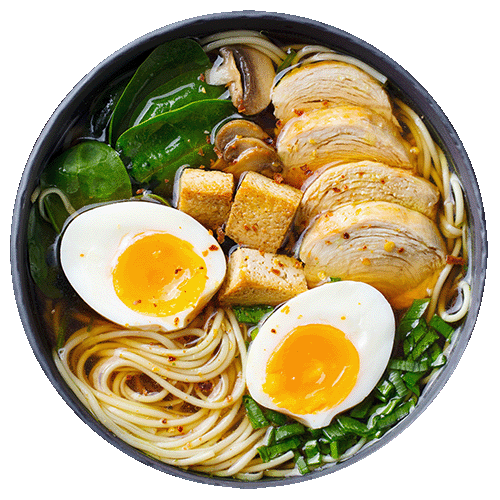
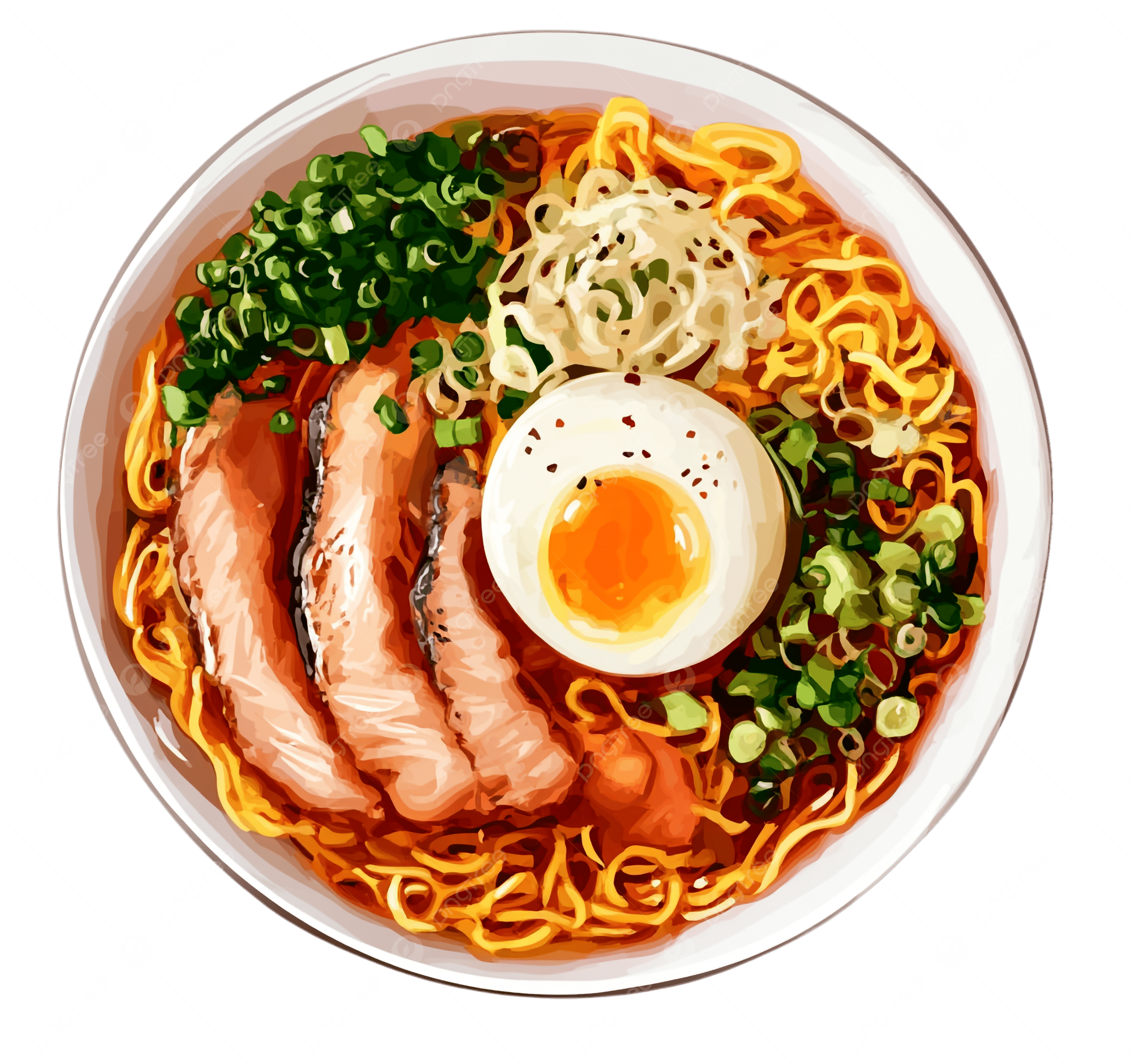
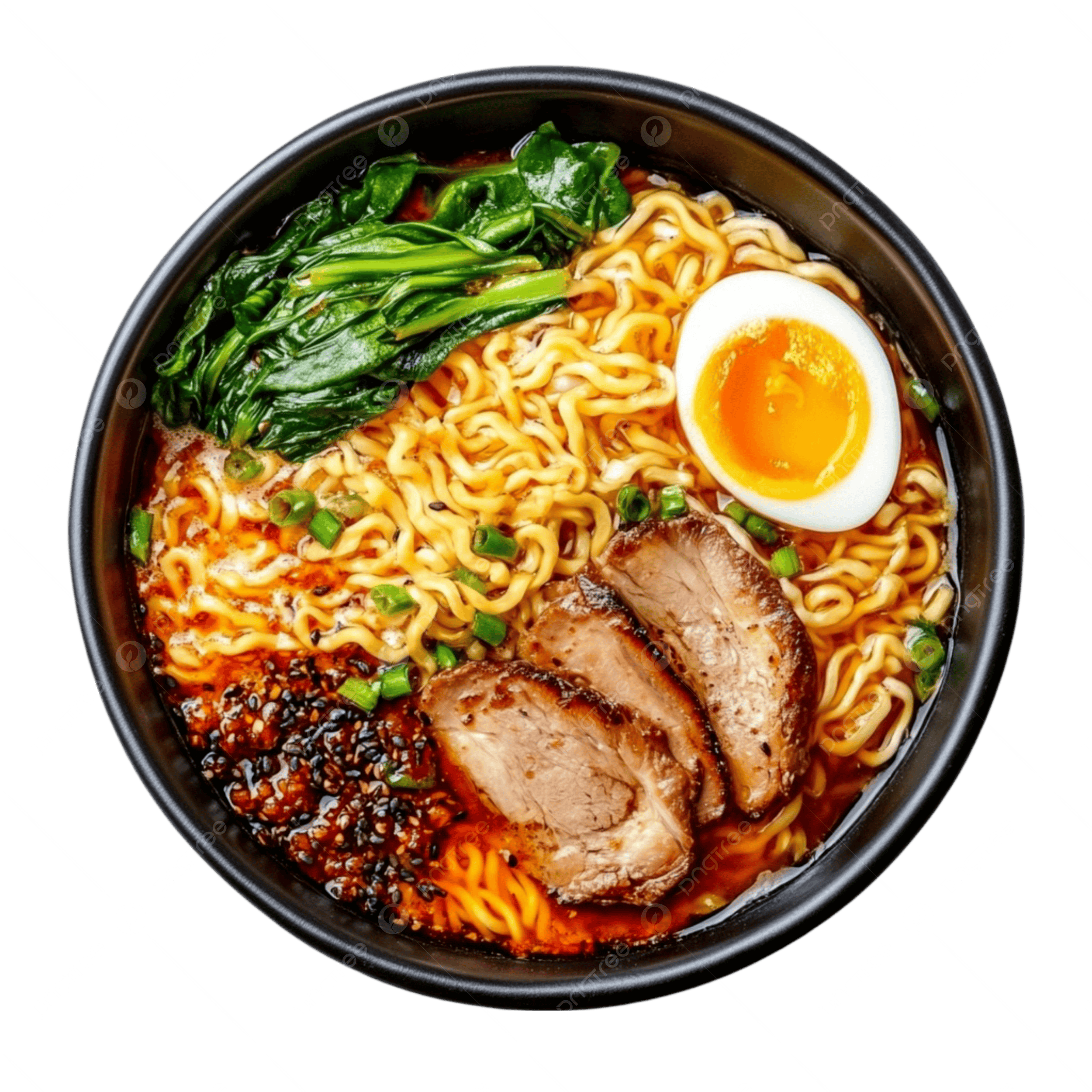
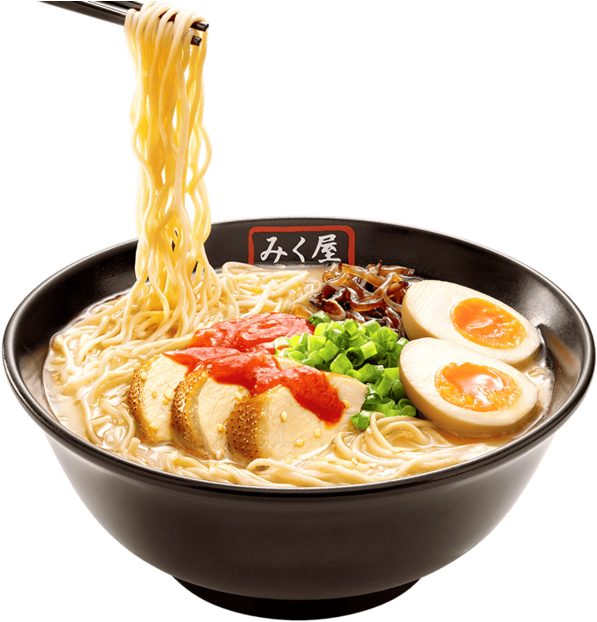
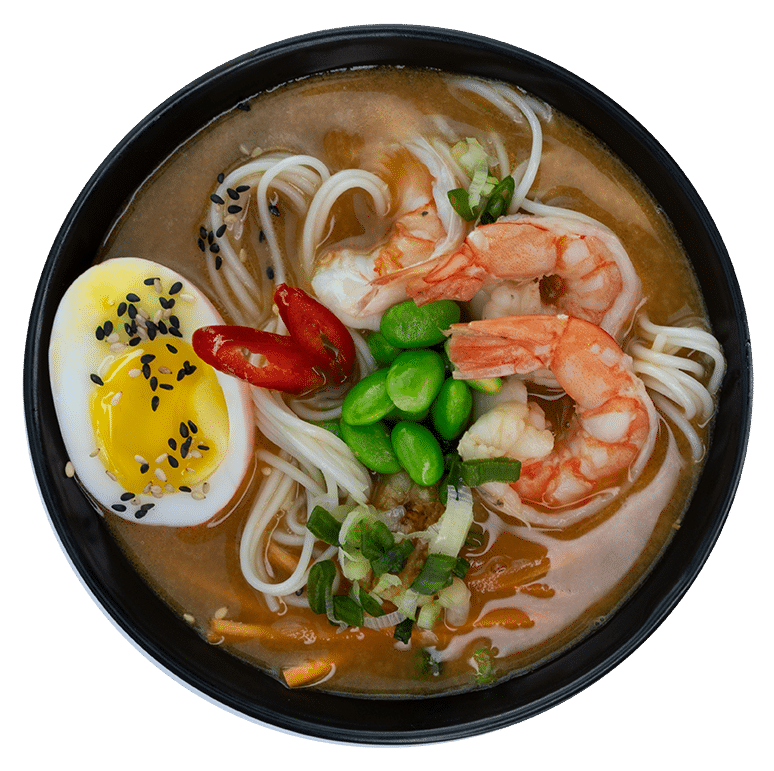
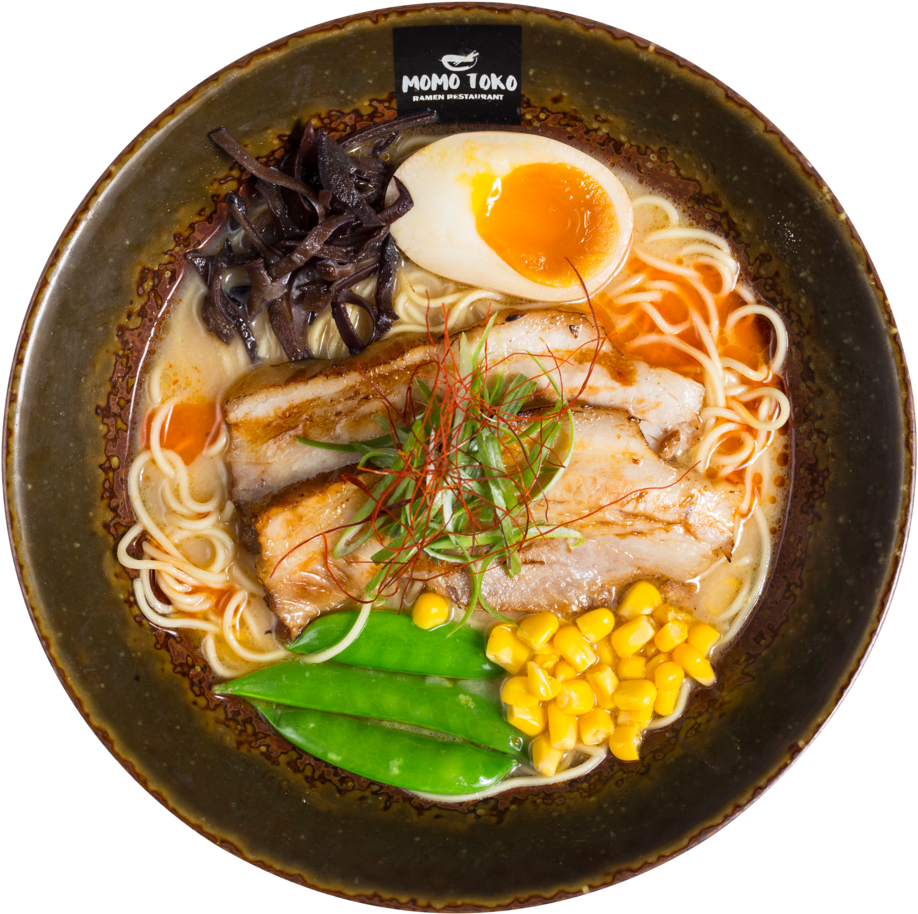
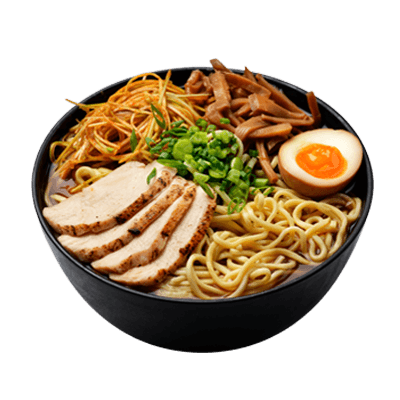
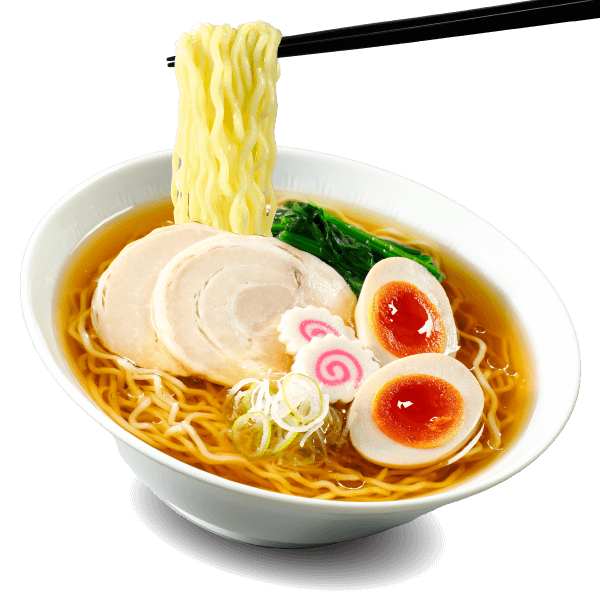
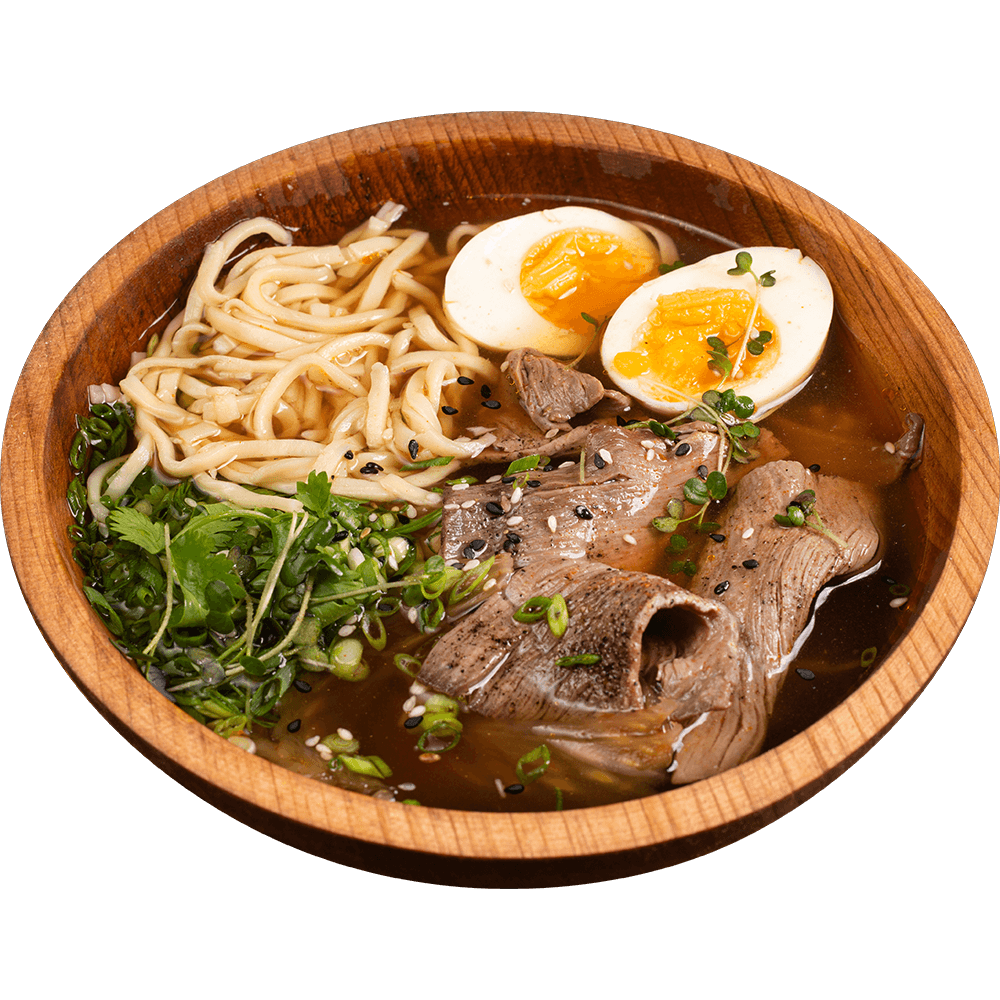
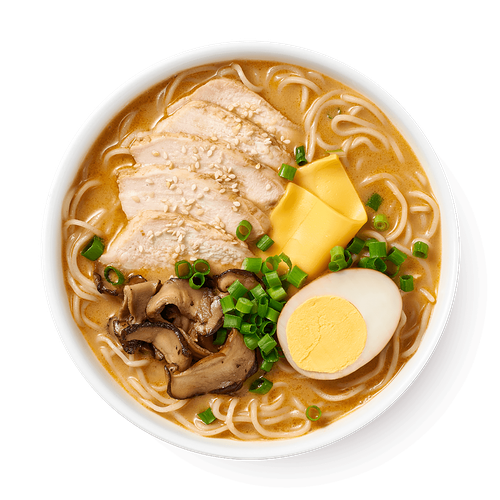
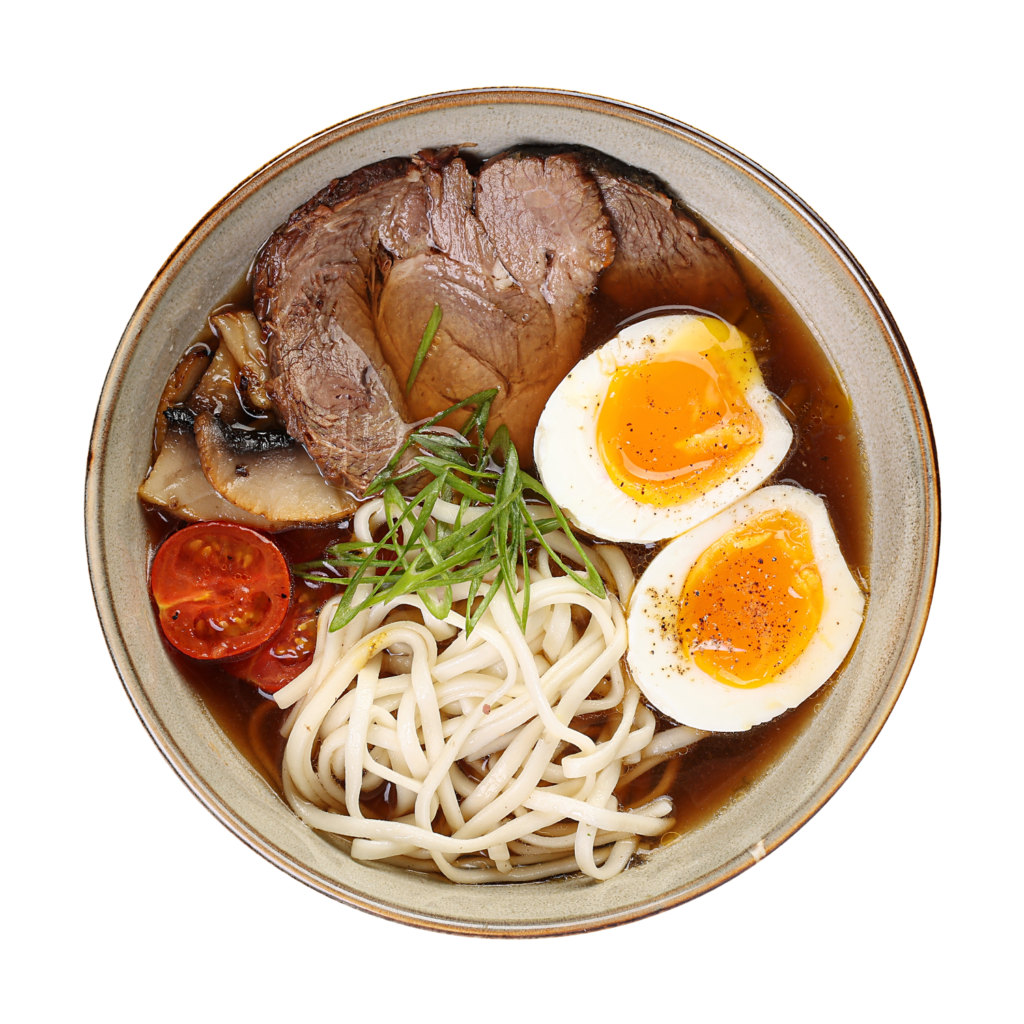
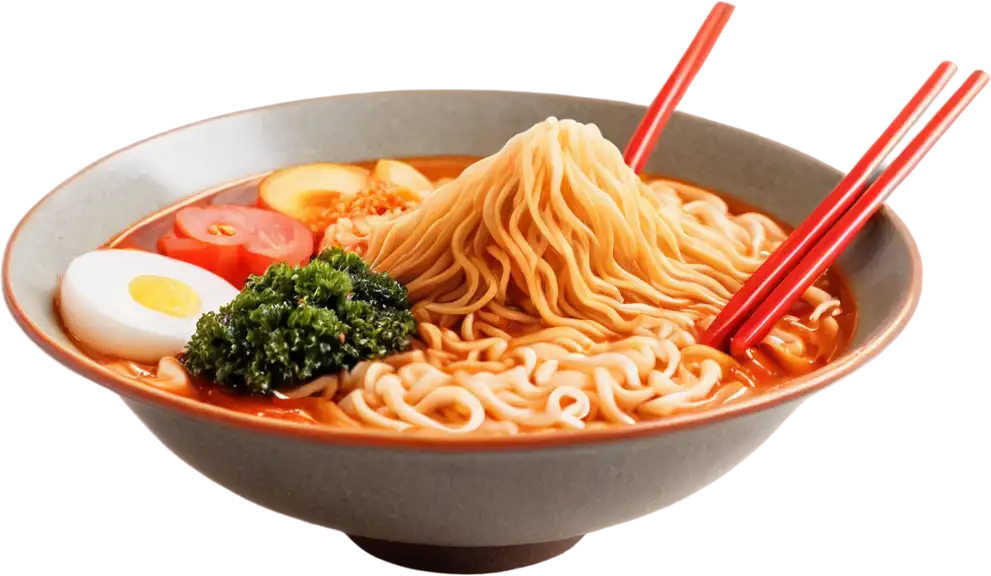
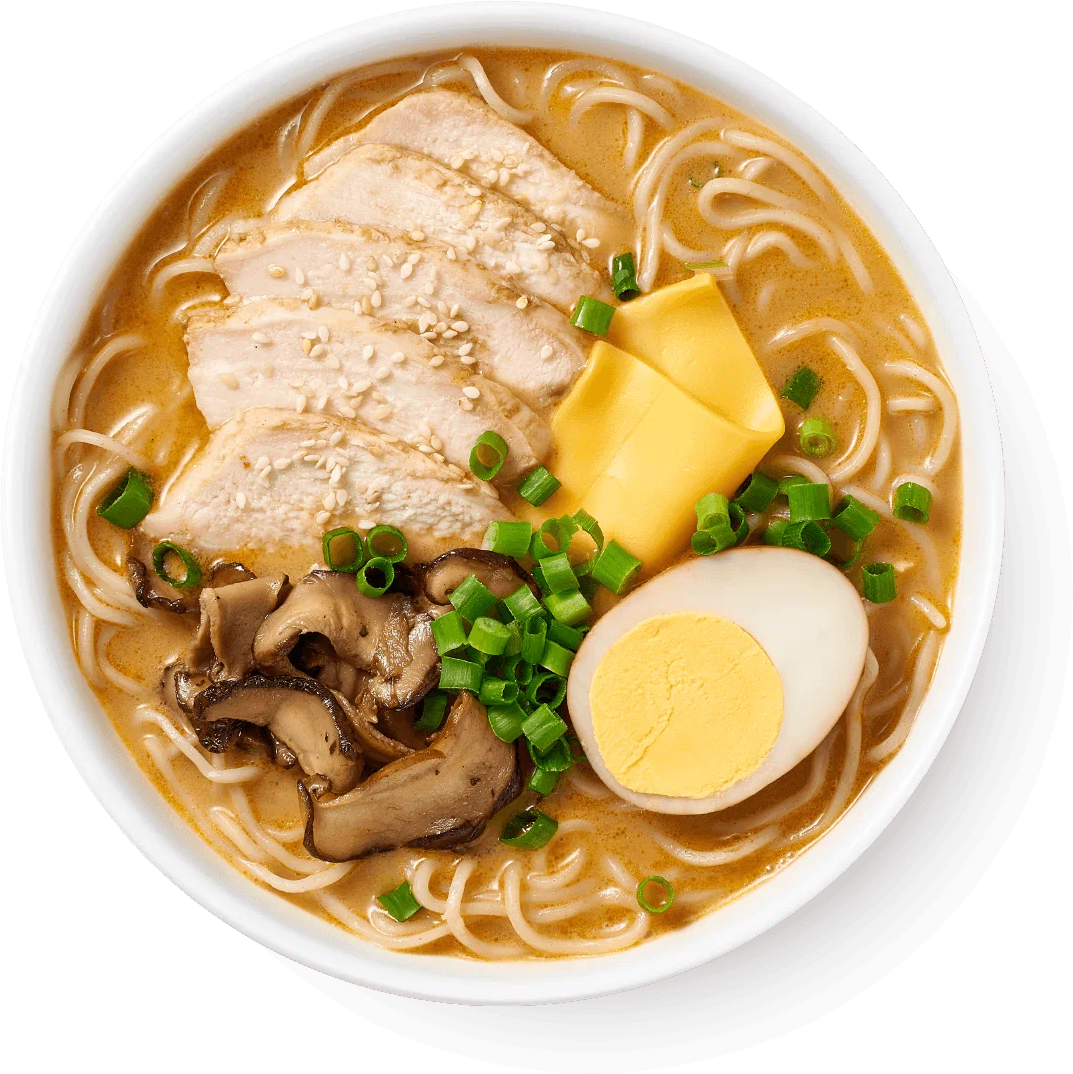
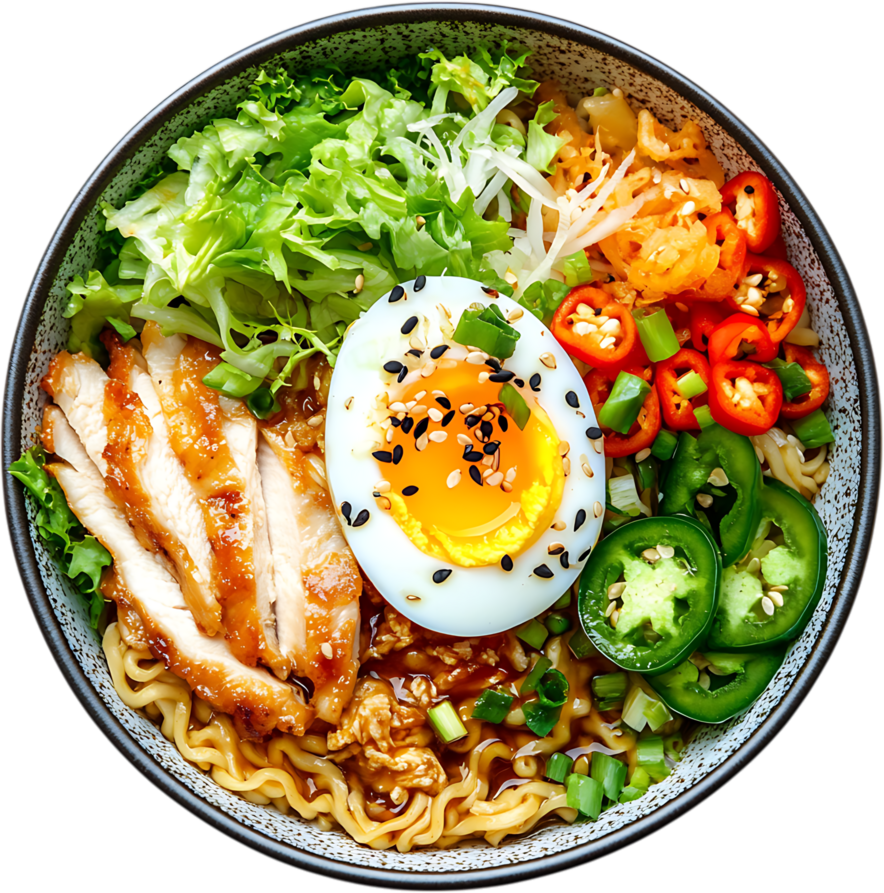
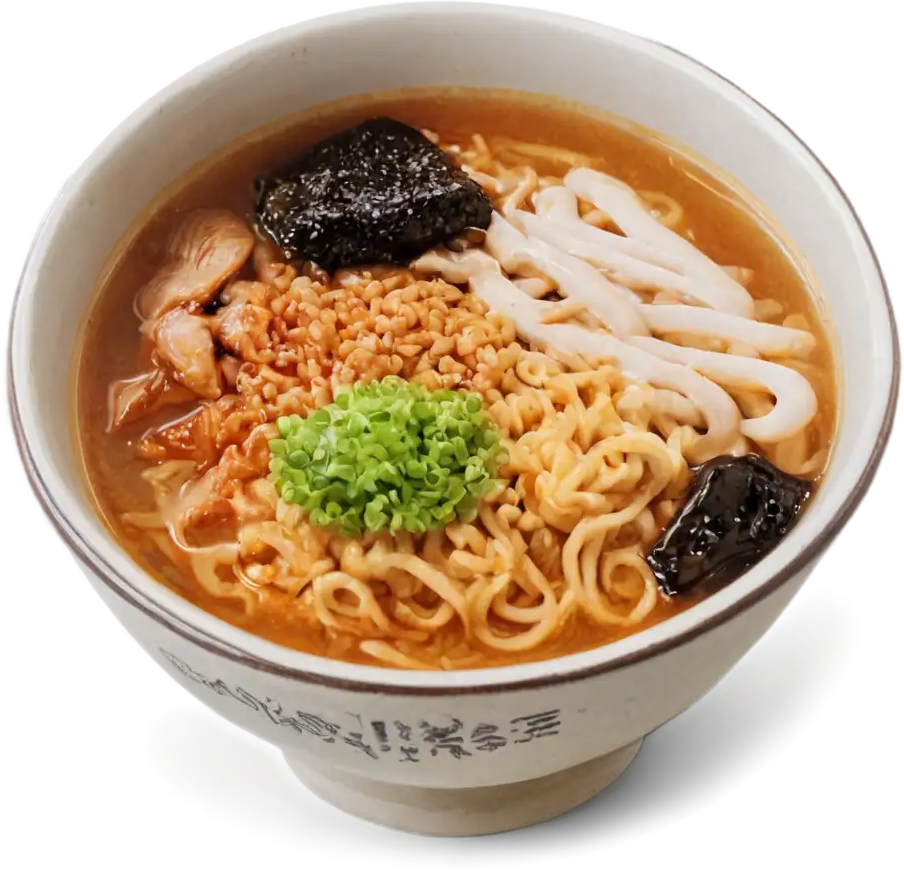
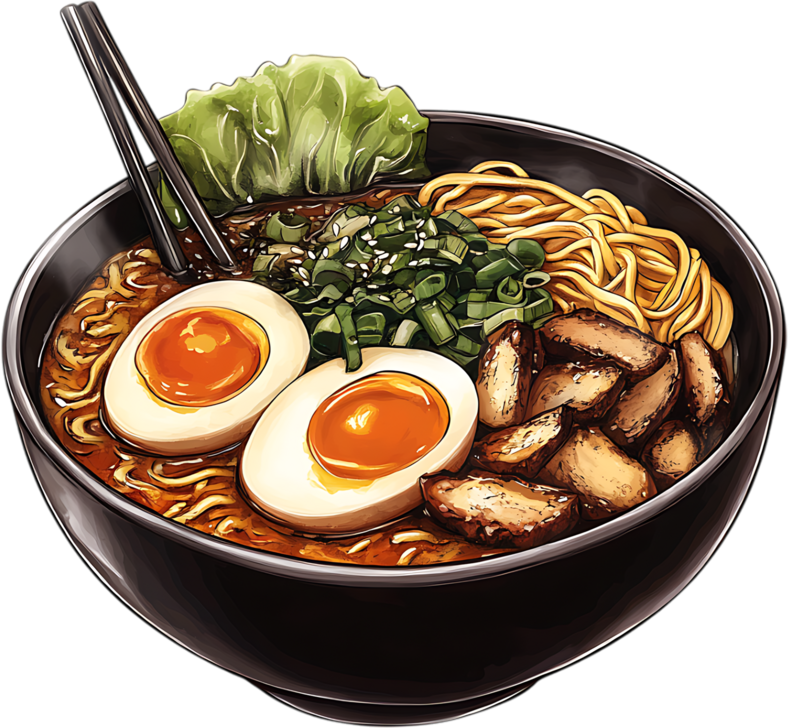
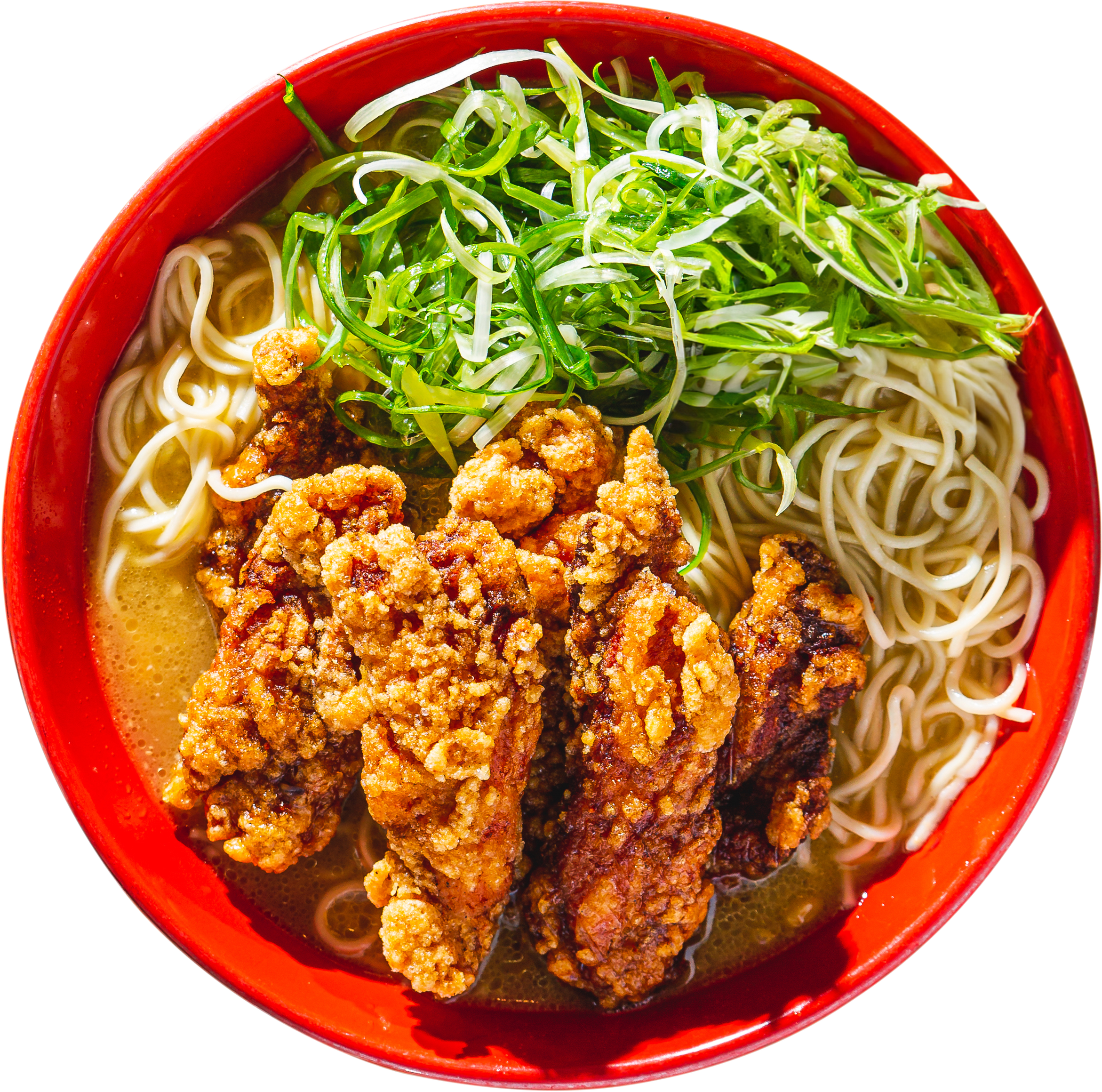
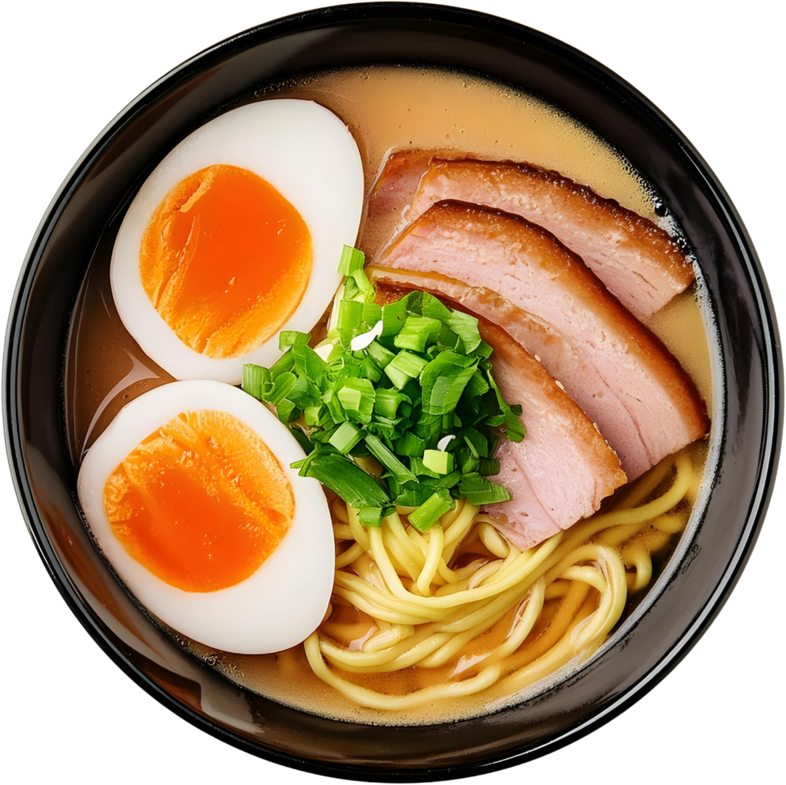
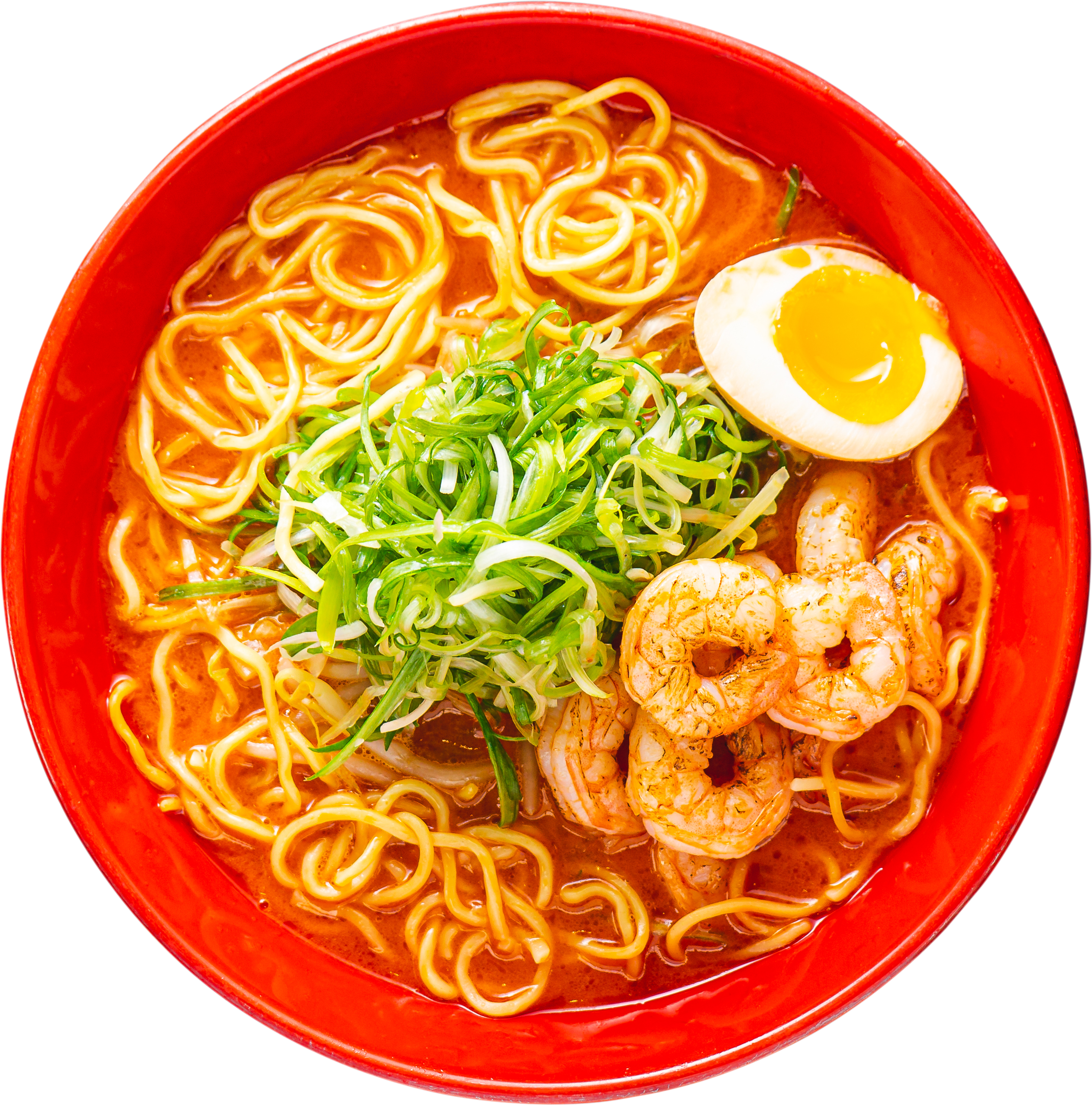
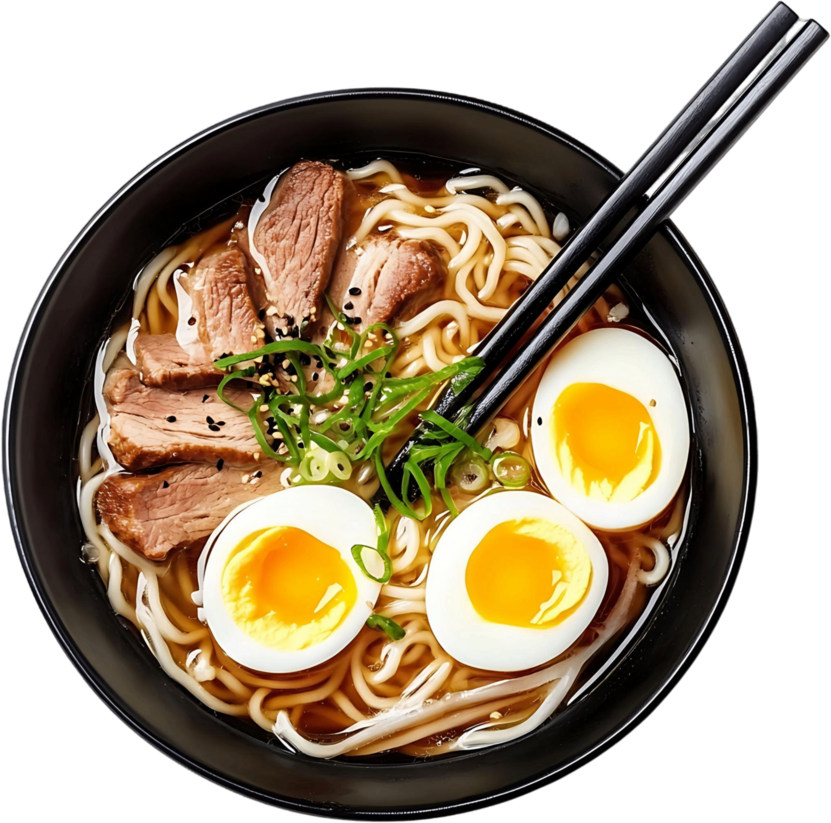
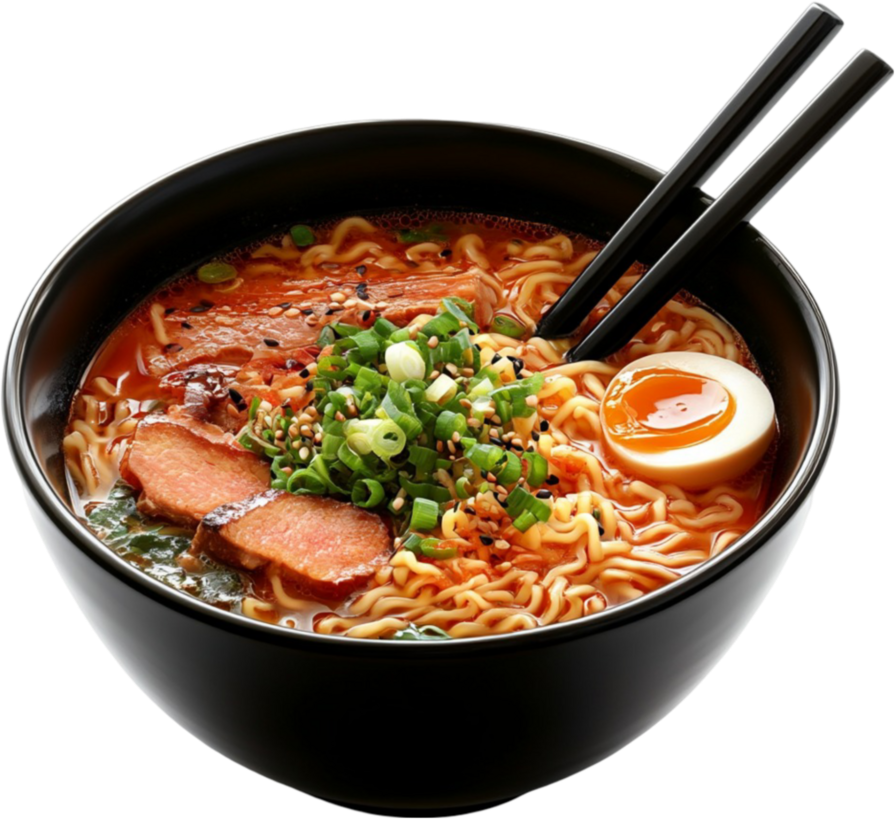
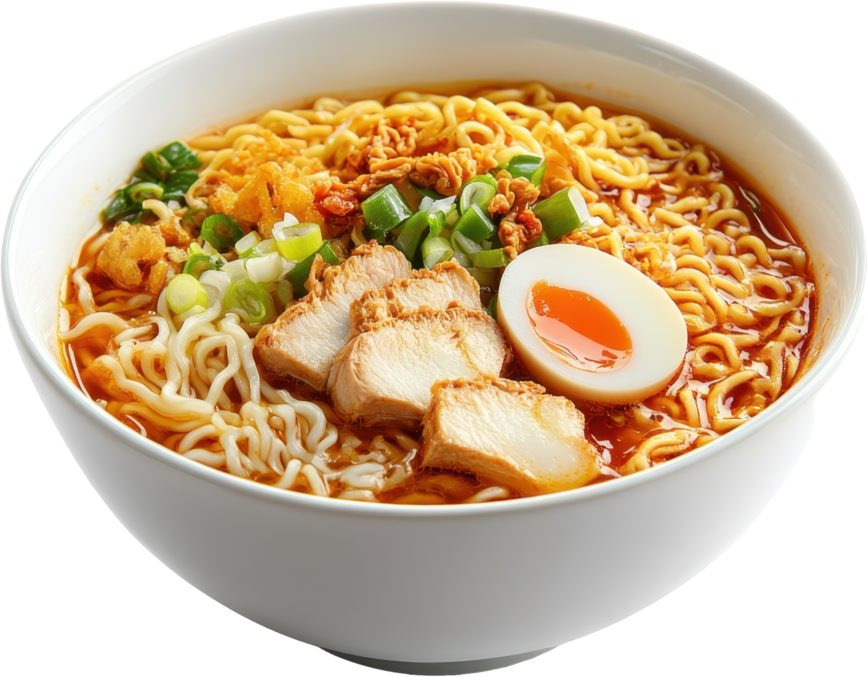
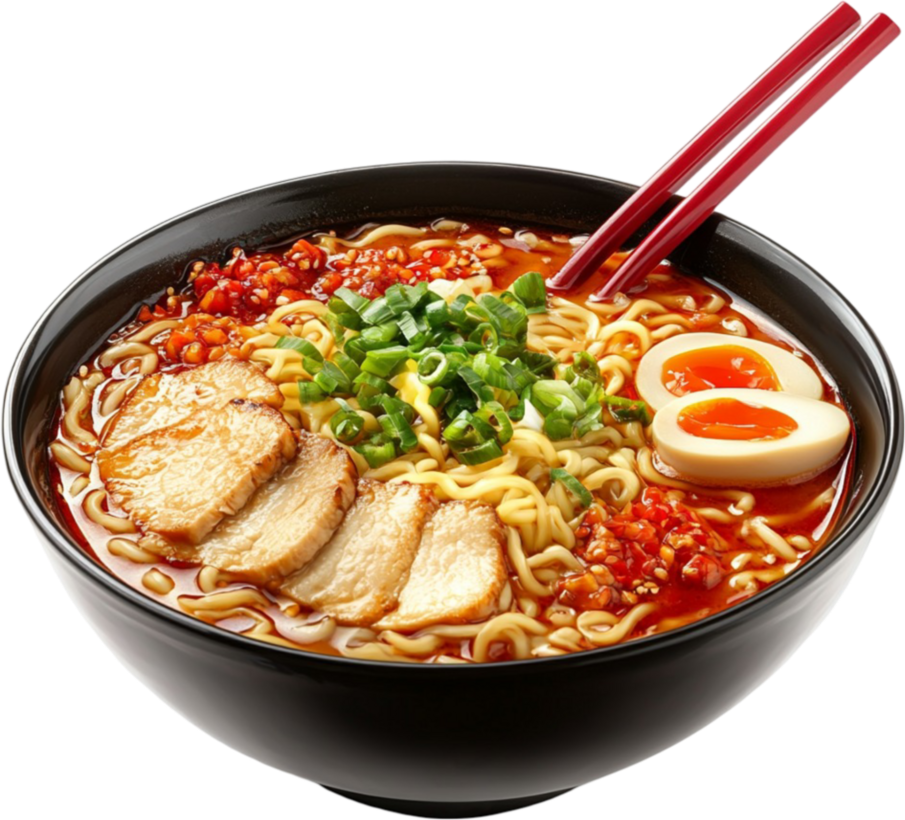
Ramen (/ˈrɑːmən/) (拉麺, ラーメン or らあめん, rāmen; [ɾaꜜːmeɴ] ⓘ) is a Japanese-Chinese fusion noodle dish.[1] It includes Chinese-style alkaline wheat noodles (中華麺, chūkamen) served in several flavors of hot broth. Common flavors are soy sauce and miso, with typical toppings including sliced pork (chāshū), nori (dried seaweed), lacto-fermented bamboo shoots (menma), narutomaki, and scallions. Nearly every region in Japan has its own variation of ramen, such as the tonkotsu (pork bone broth) ramen of Kyushu and the miso ramen of Hokkaido.
The origins of ramen can be traced back to Yokohama Chinatown in the late 19th century. While the word "ramen" is a Japanese borrowing of the Chinese word lāmiàn (拉麵), meaning "pulled noodles", the ramen does not actually derive from any lamian dishes. Lamian is a part of northern Chinese cuisine, whereas the ramen evolved from southern Chinese noodle dishes from regions such as Guangdong, reflecting the demographics of Chinese immigrants in Yokohama. Ramen was largely confined to the Chinese community in Japan and was never popular nationwide until after World War II (specifically the Second Sino-Japanese War), following increased wheat consumption due to rice shortages and the return of millions of Japanese colonizers from China. In 1958, instant noodles were invented by Momofuku Ando, further popularizing the dish.
Ramen was originally looked down upon by the Japanese due to racial discrimination against the Chinese and its status as an inexpensive food associated with the working class. Today, ramen is considered a national dish of Japan, with many regional varieties and a wide range of toppings. Examples include Sapporo's rich miso ramen, Hakodate's salt-flavored ramen, Kitakata's thick, flat noodles in pork-and-niboshi broth, Tokyo-style ramen with soy-flavored chicken broth, Yokohama's Iekei ramen with soy-flavored pork broth, Wakayama's soy sauce and pork bone broth, and Hakata's milky tonkotsu (pork bone) broth. Ramen is offered in various establishments and locations, with the best quality usually found in specialist ramen shops called rāmen'ya (ラーメン屋).
Ramen's popularity has spread outside of Japan, becoming a cultural icon representing the country worldwide. In Korea, ramen is known both by its original name "ramen" (라멘) as well as ramyeon (라면), a local variation on the dish. In China, ramen is called rìshì lāmiàn (日式拉面/日式拉麵 "Japanese-style lamian"). Ramen has also made its way into Western restaurant chains. Instant ramen was exported from Japan in 1971 and has since gained international recognition. The global popularity of ramen has sometimes led to the term being misused in the Anglosphere as a catch-all for any noodle soup dish.
A wide variety of ramen exists in Japan, with geographical and vendor-specific differences even in varieties that share the same name. Usually varieties of ramen are differentiated by the type of broth and tare used. There are five components to a bowl of ramen: tare, aroma oil, broth, noodles, and toppings.
In this food clipart you can download free PNG images: Ramen PNG images free download