Language: English | Espana

Download free Marshmallow PNG images and clipart with transparent backgrounds. This gallery includes Marshmallow PNG images free download and cutout images for web design, presentations, banners and creative projects.
In this Marshmallow PNG gallery, you can download 39 free PNG images with transparent backgrounds.
This gallery contains 39 PNG images with transparent backgrounds. Image dimensions range from 309x279 to 2500x3024 pixels.
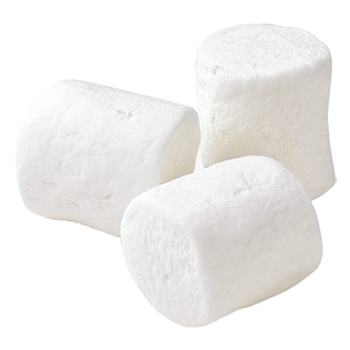
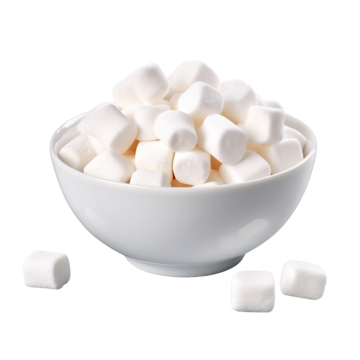
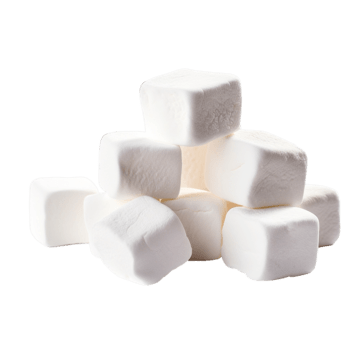
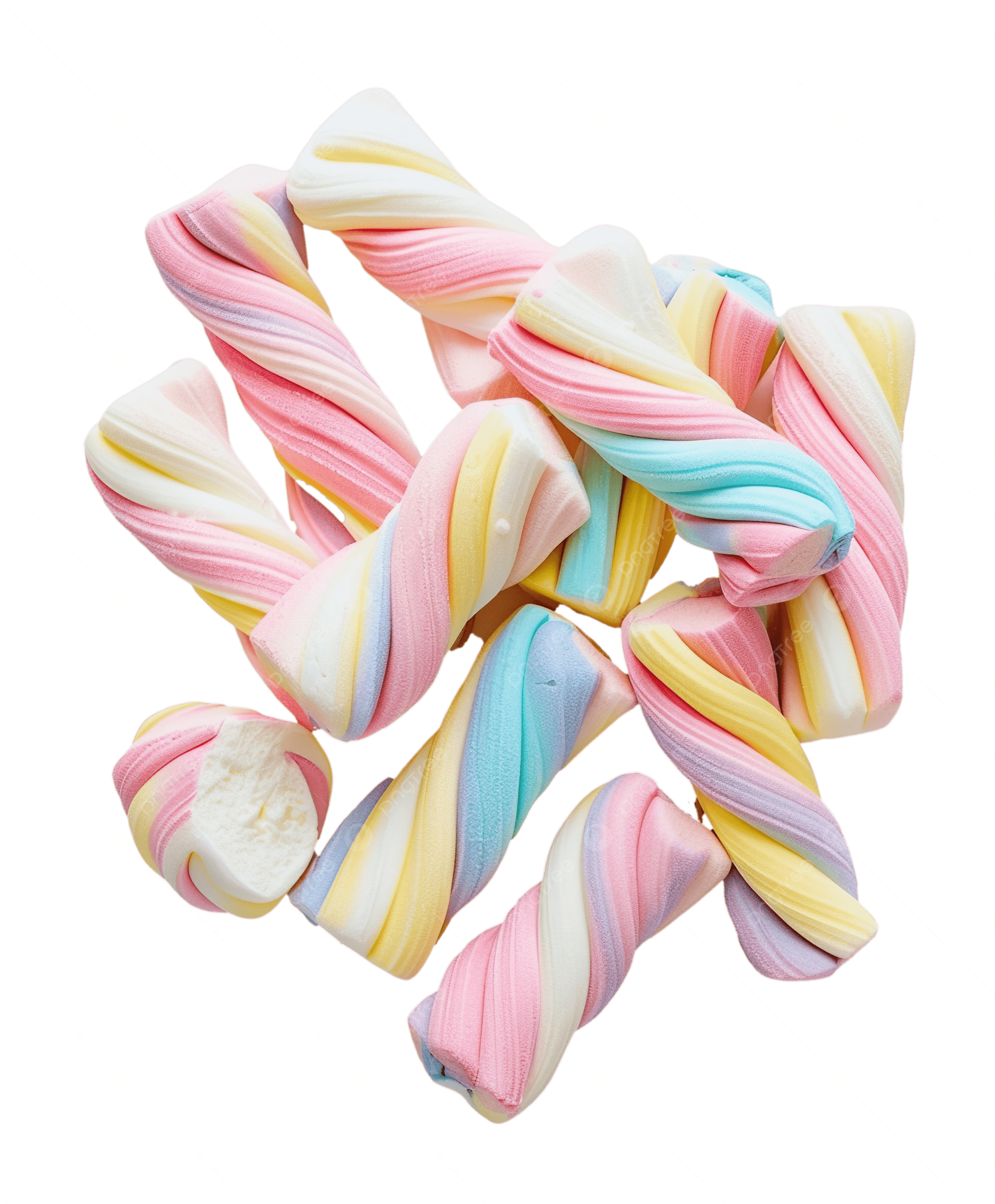
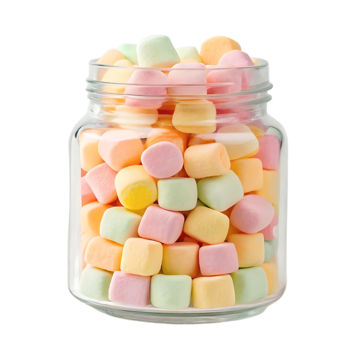
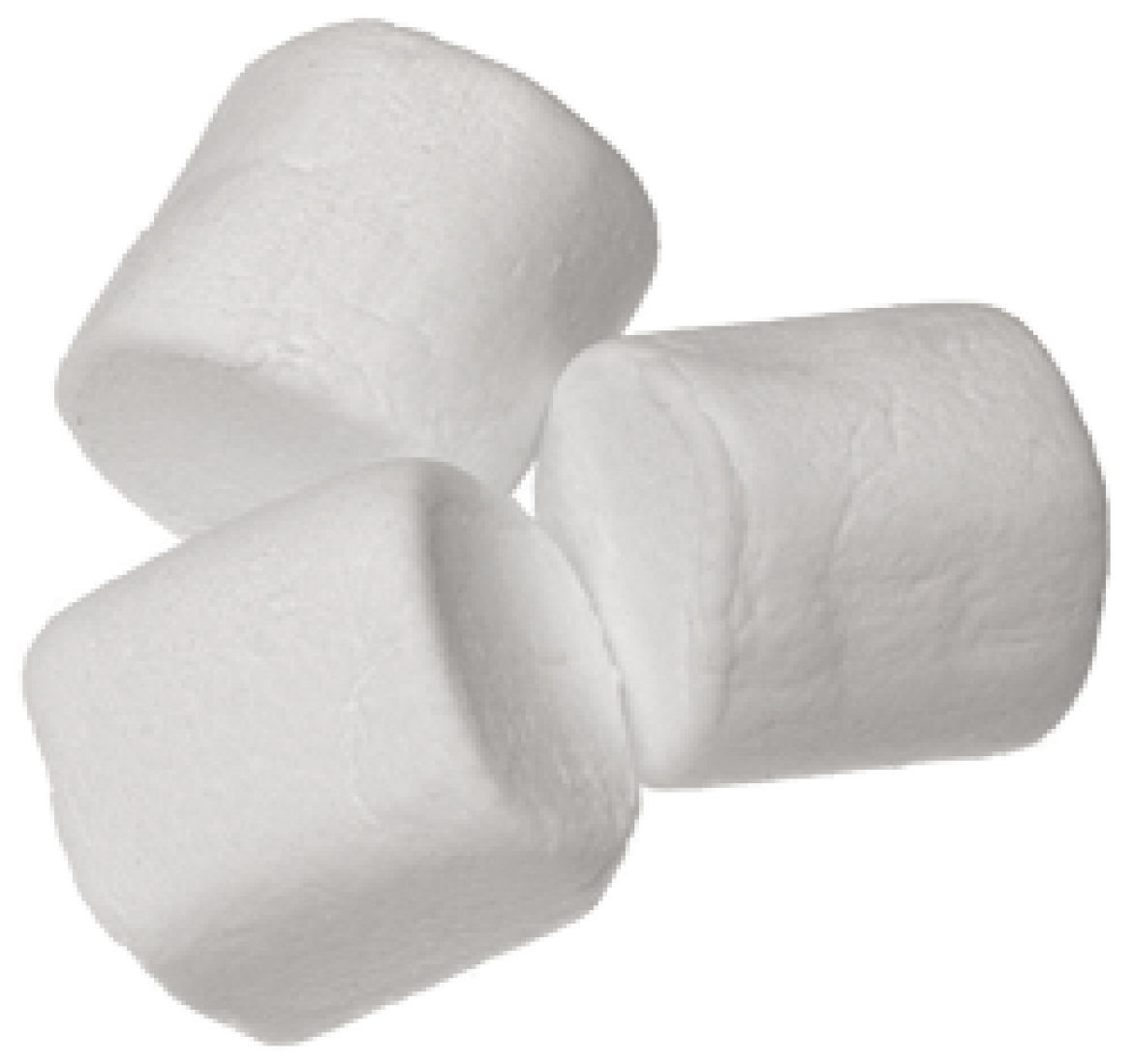
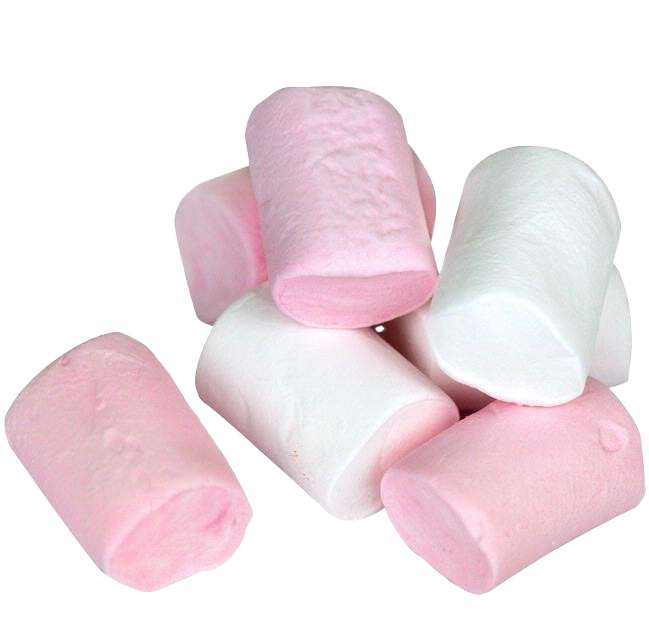
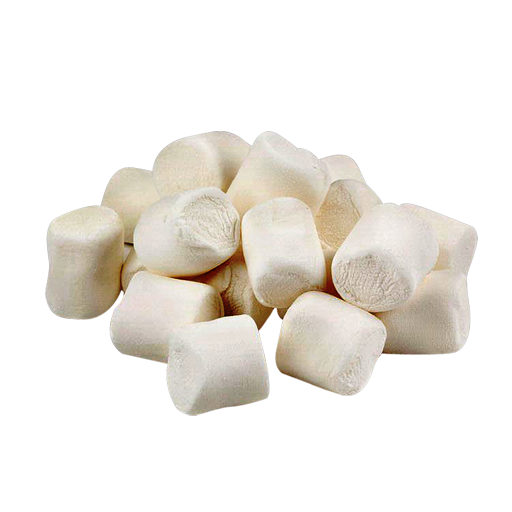
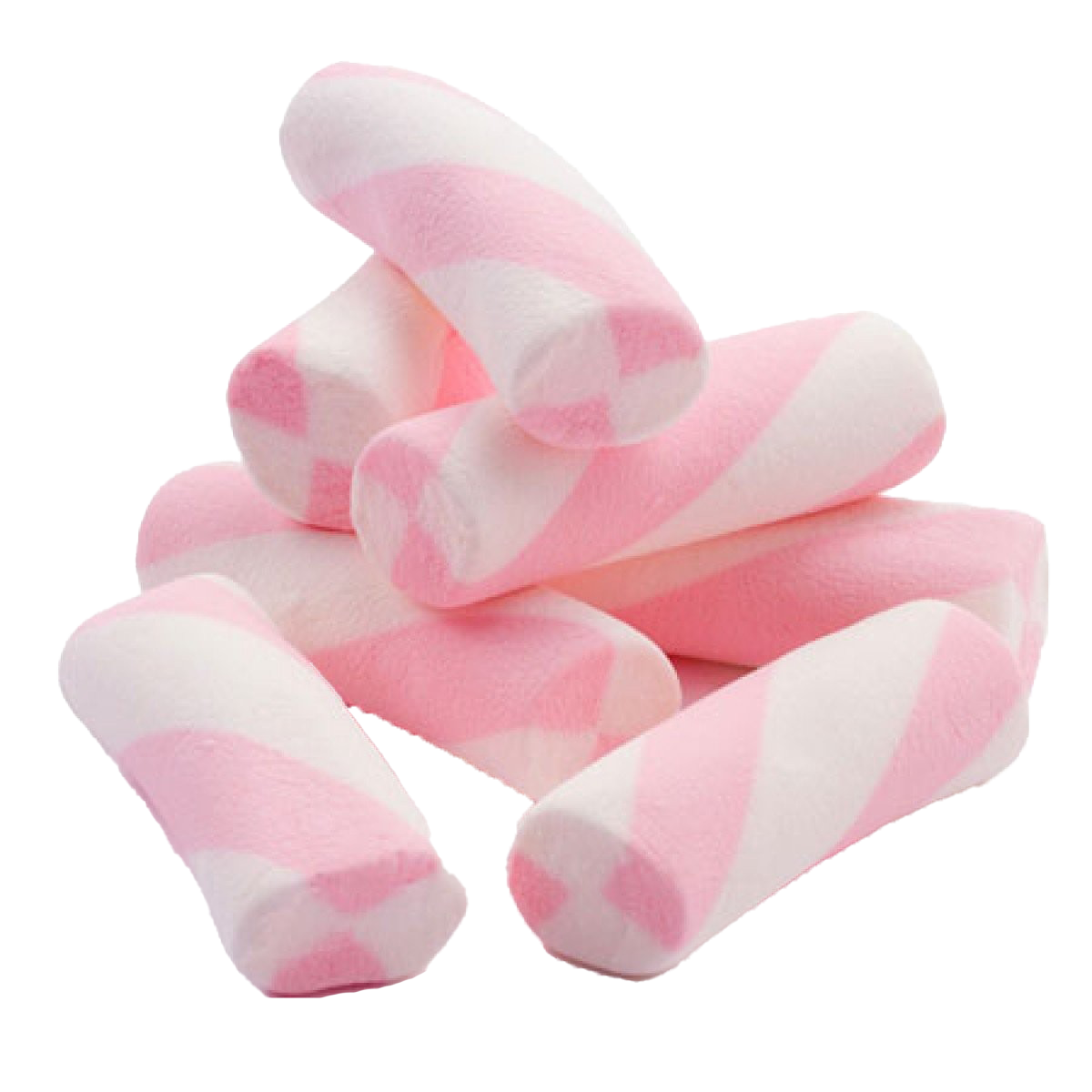
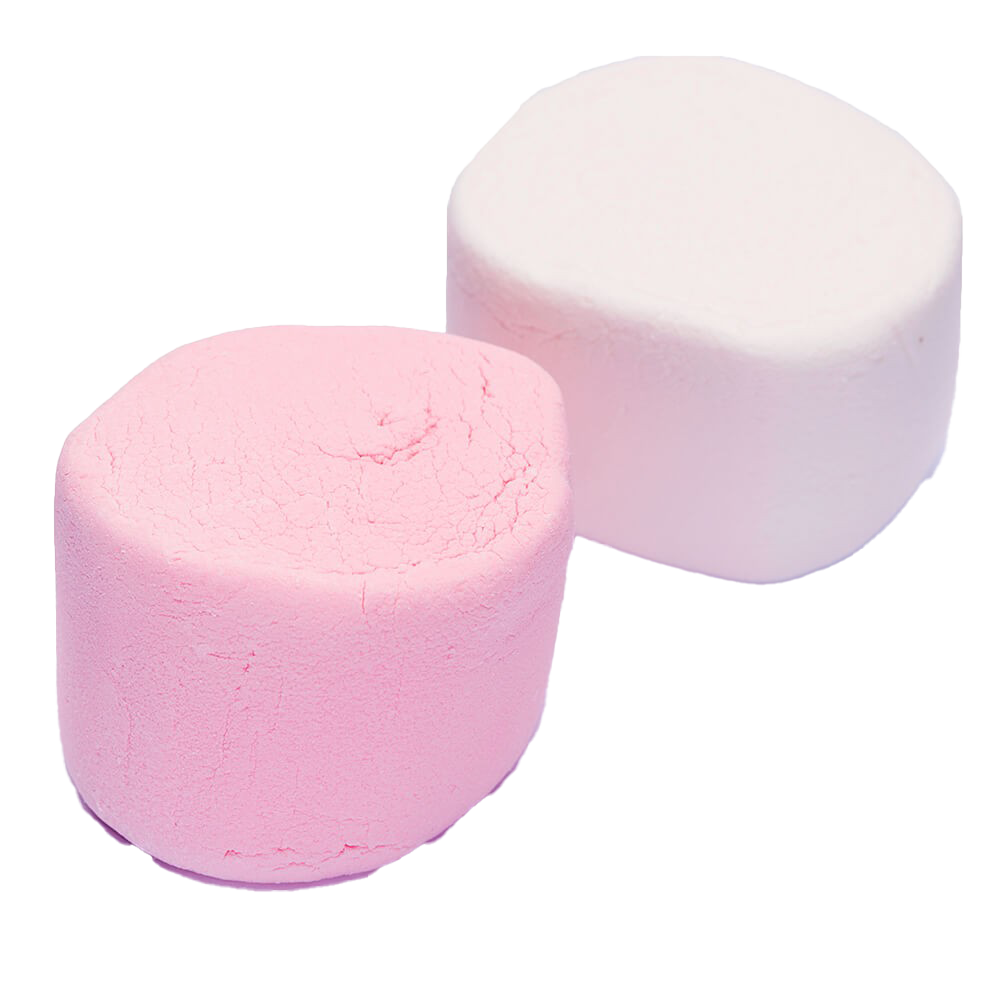
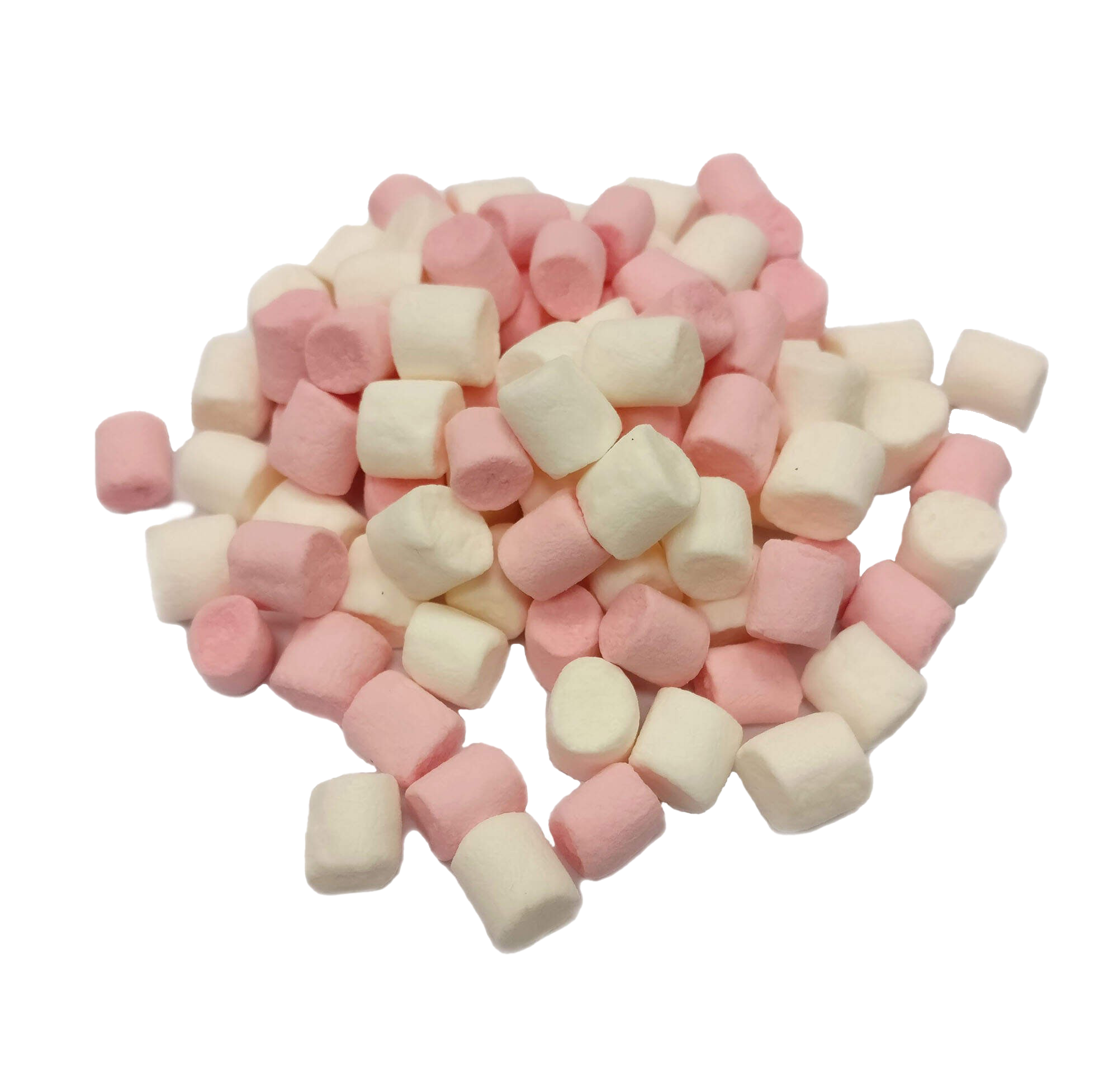
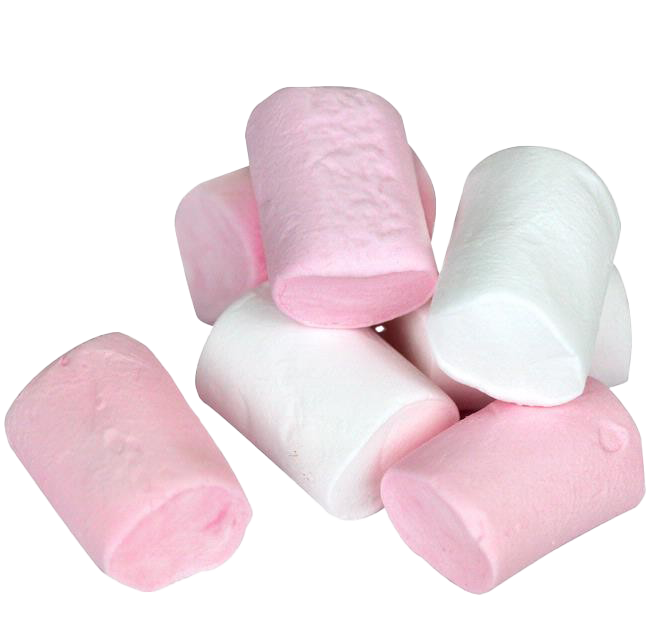
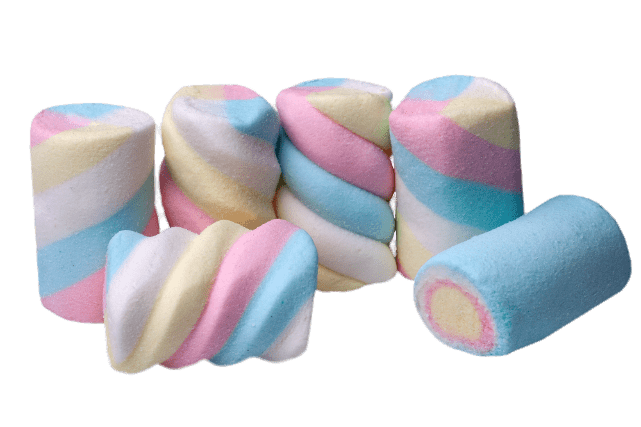
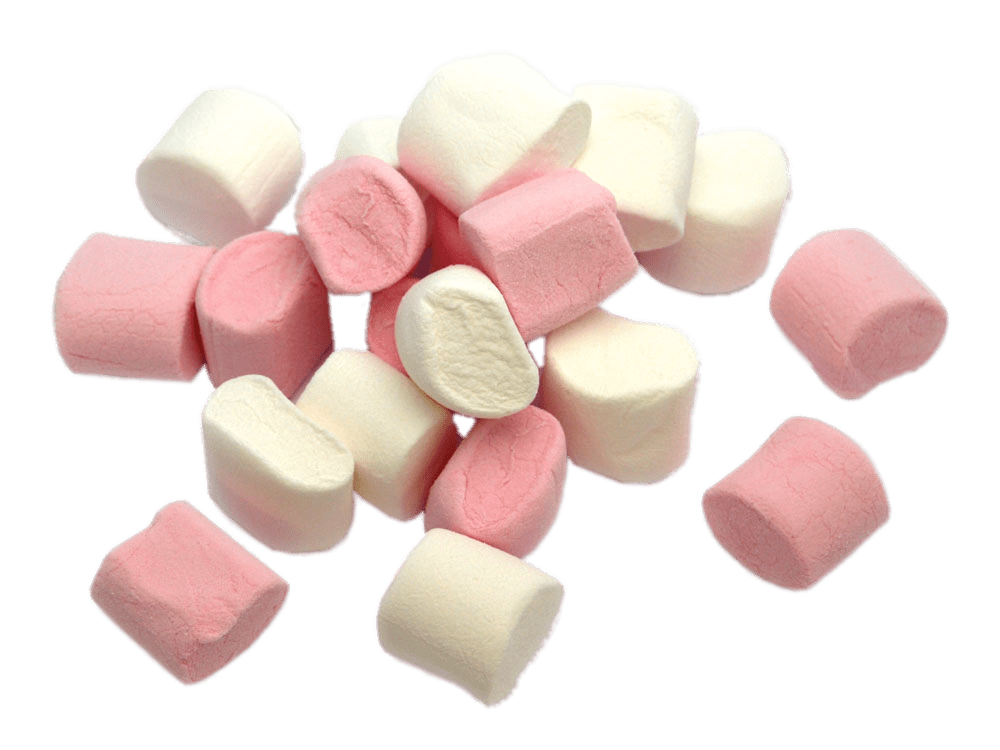
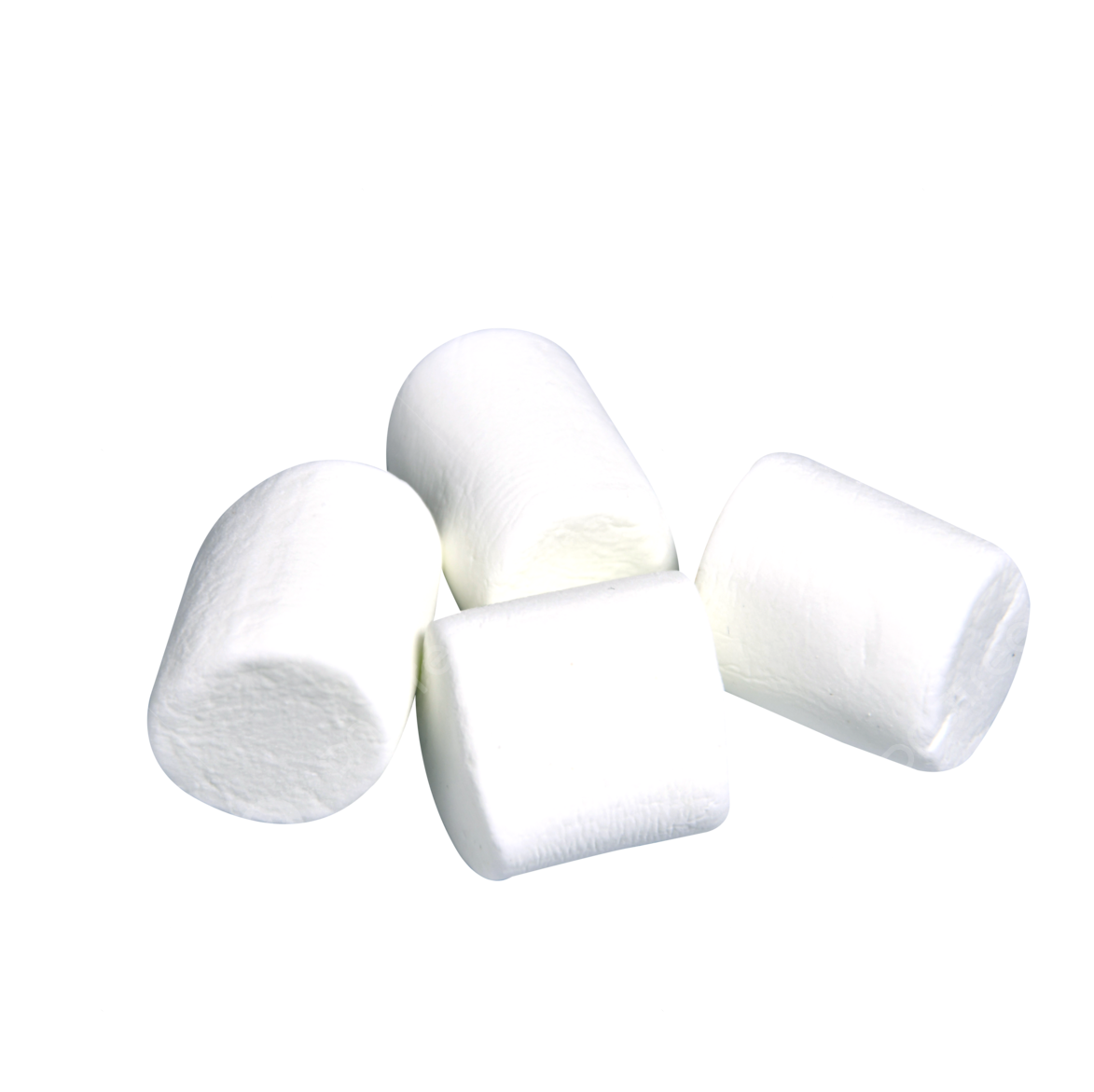
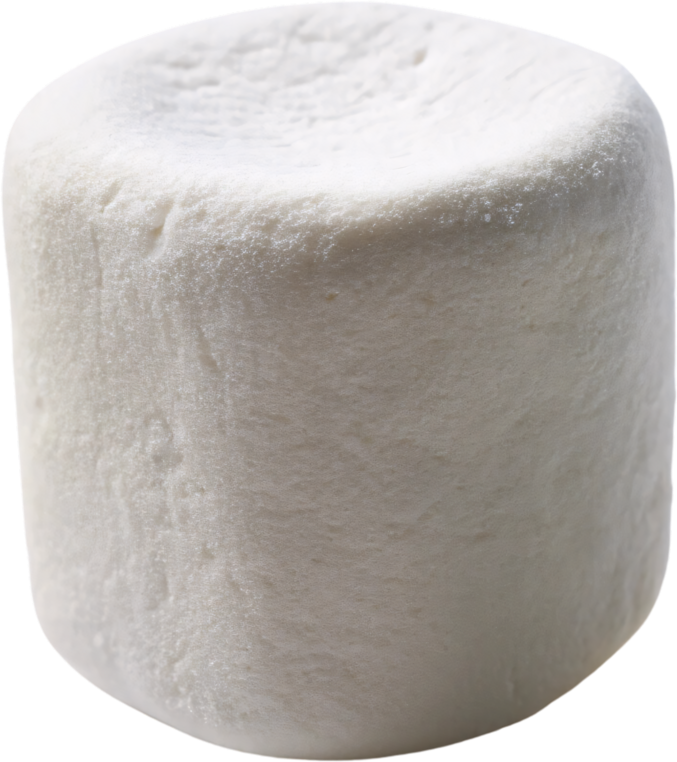
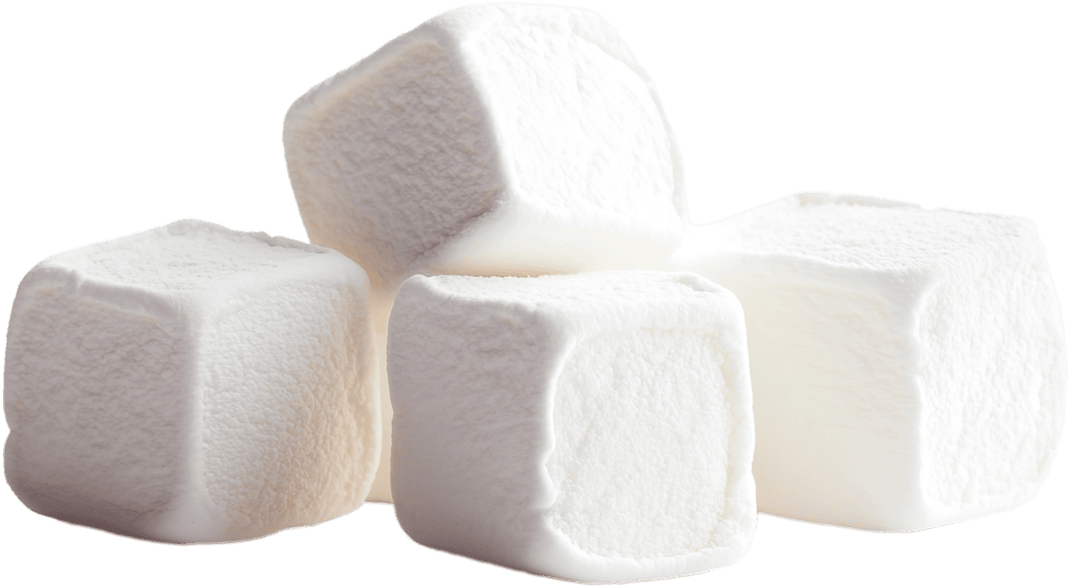
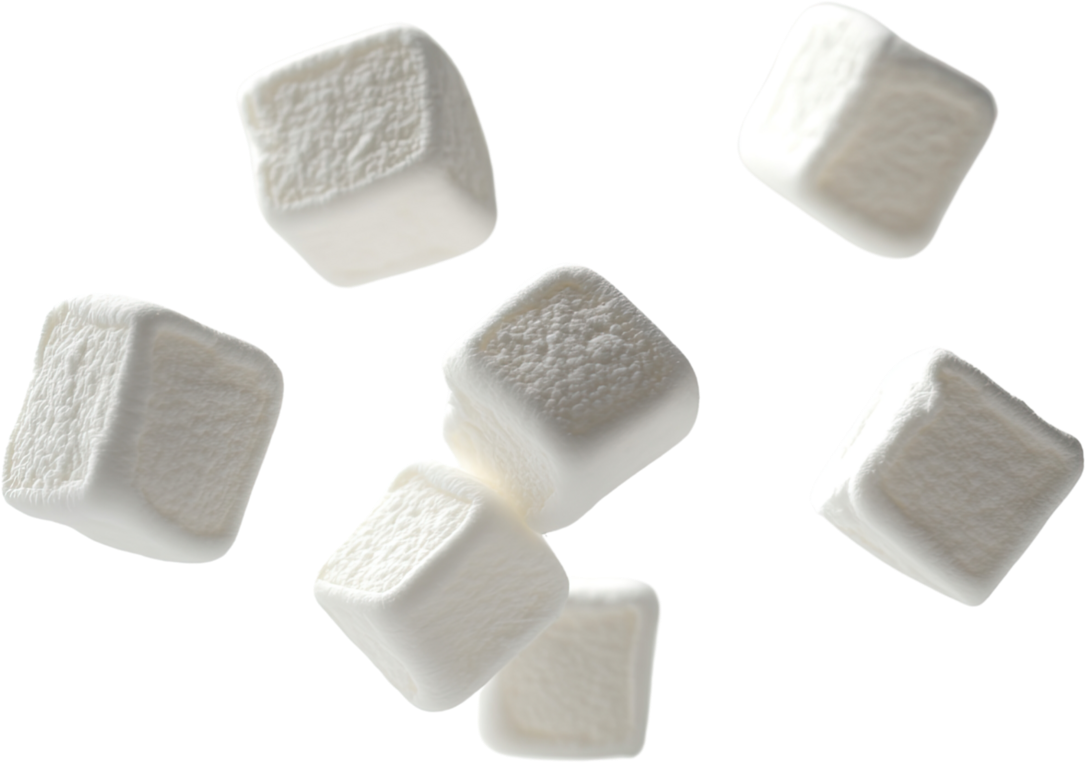
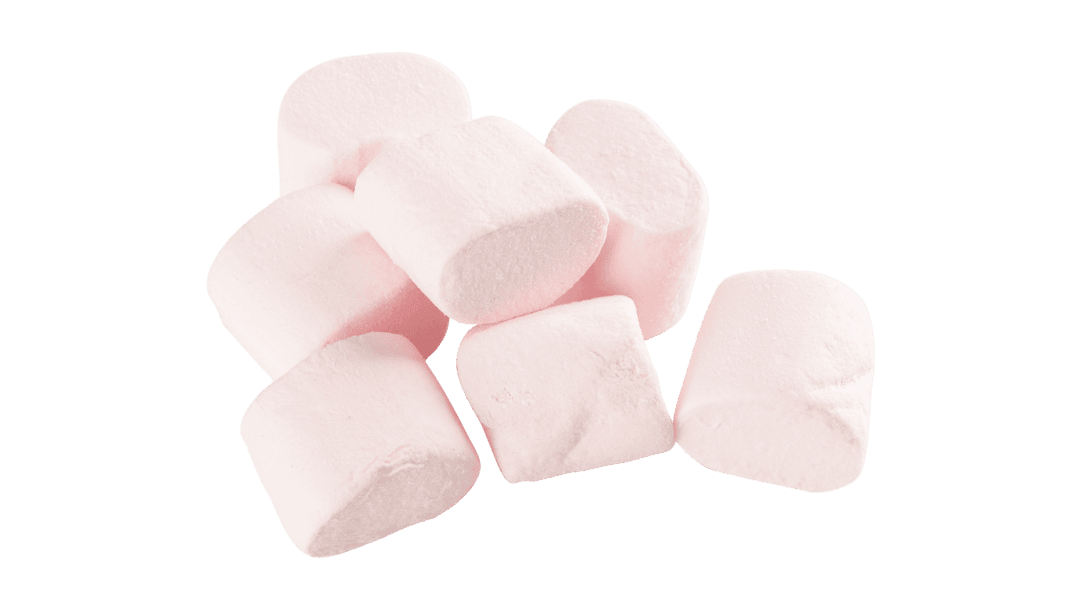
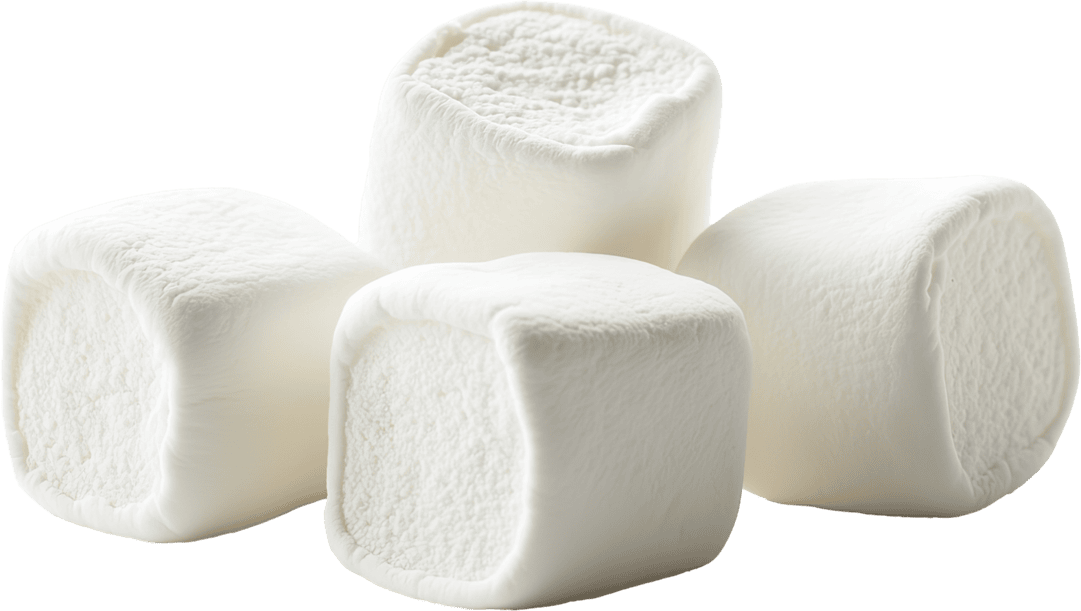
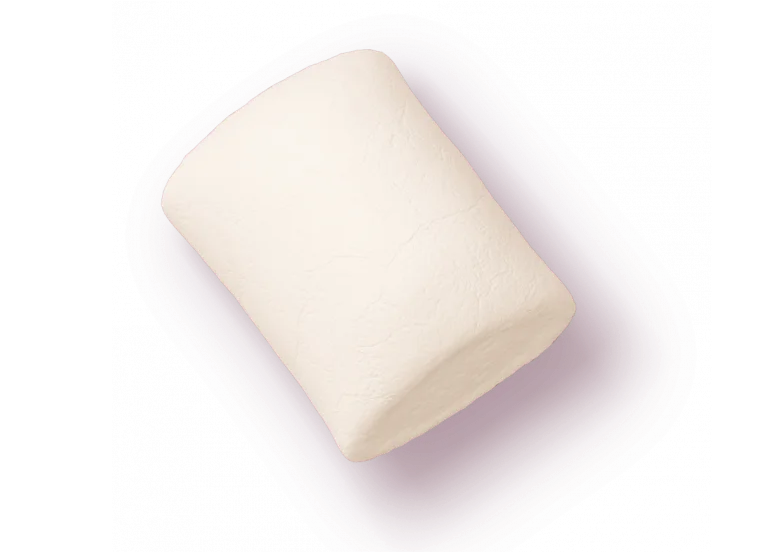
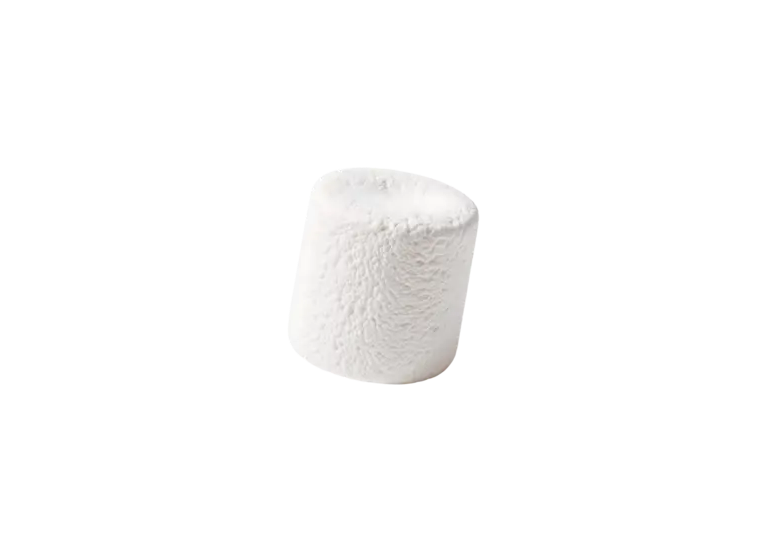
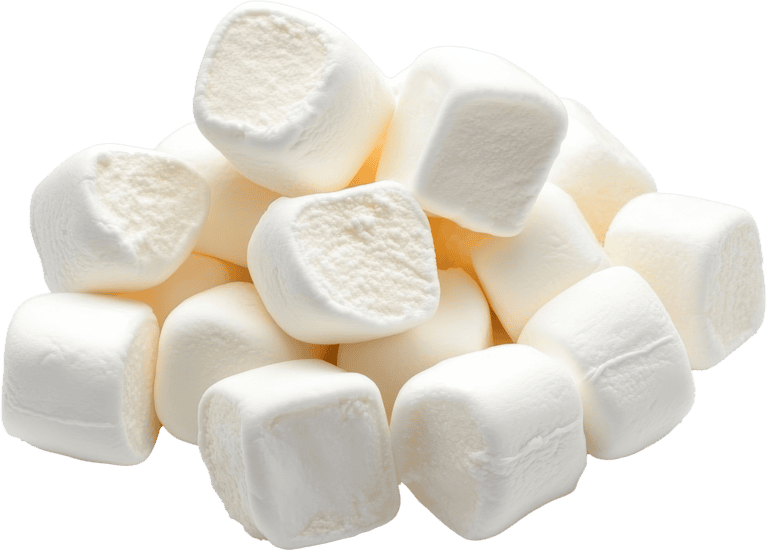
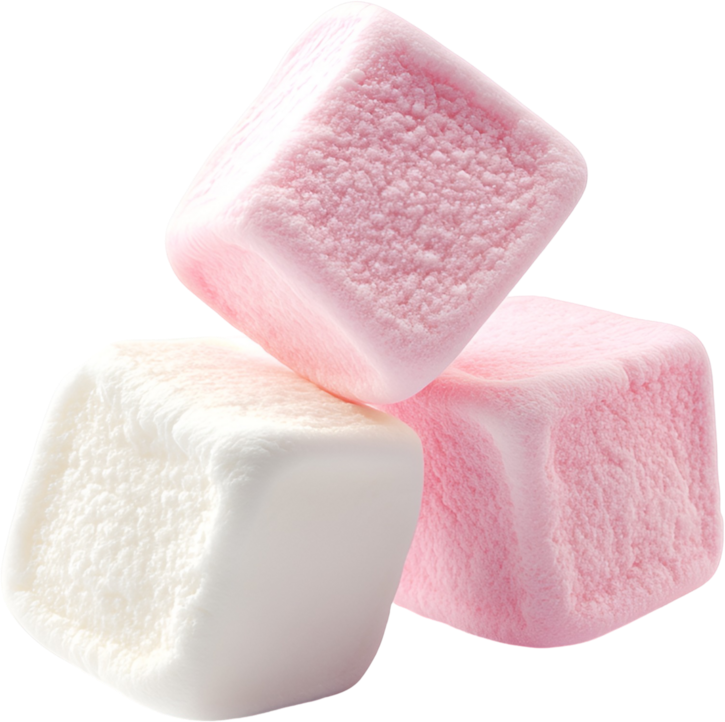
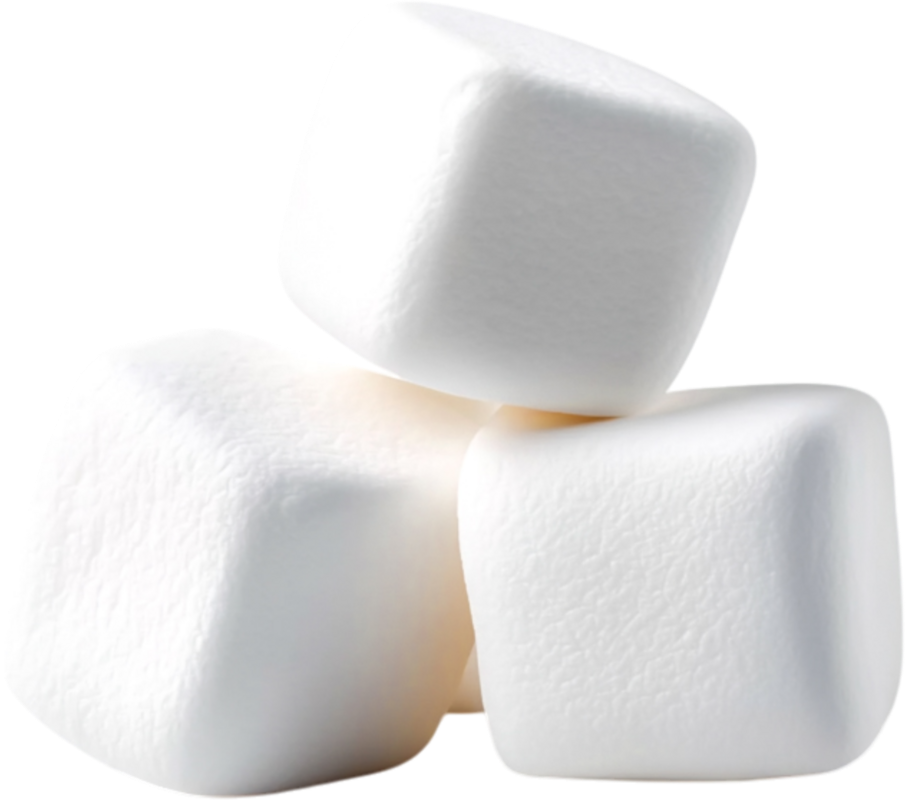
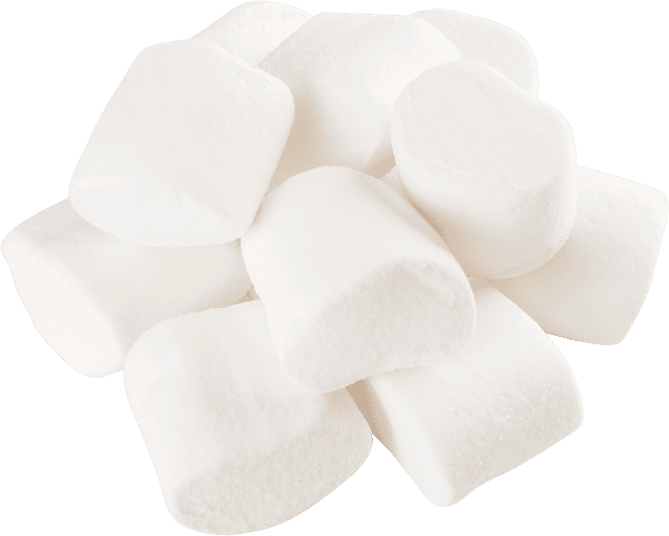
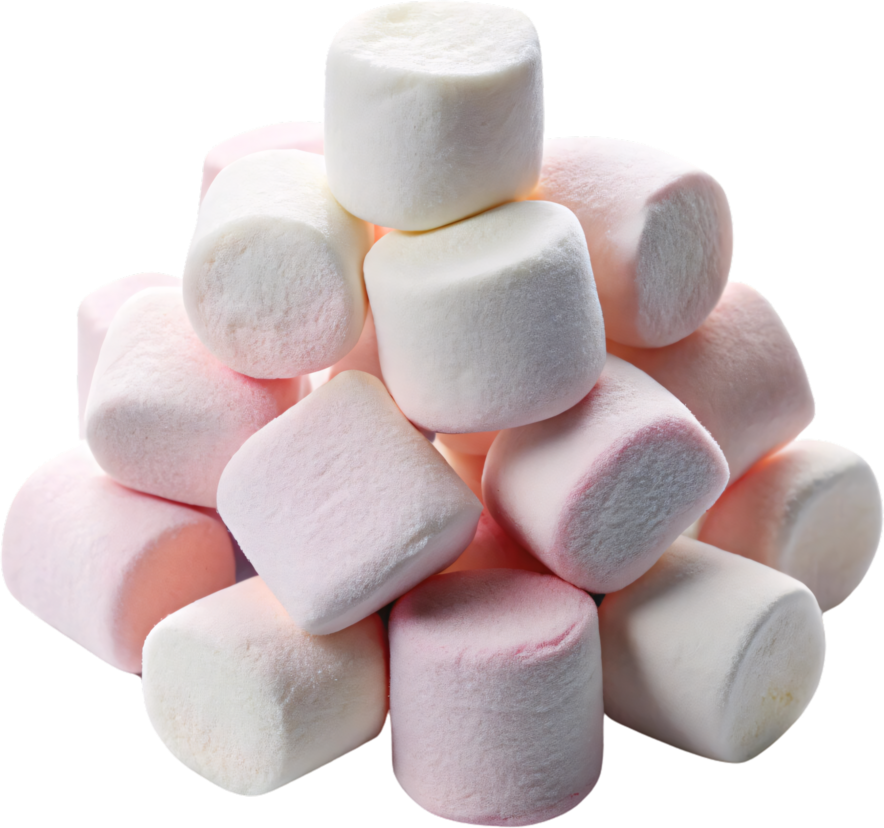
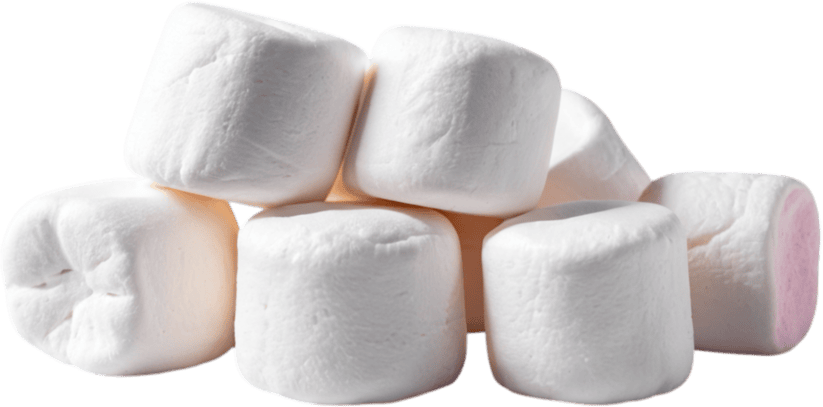
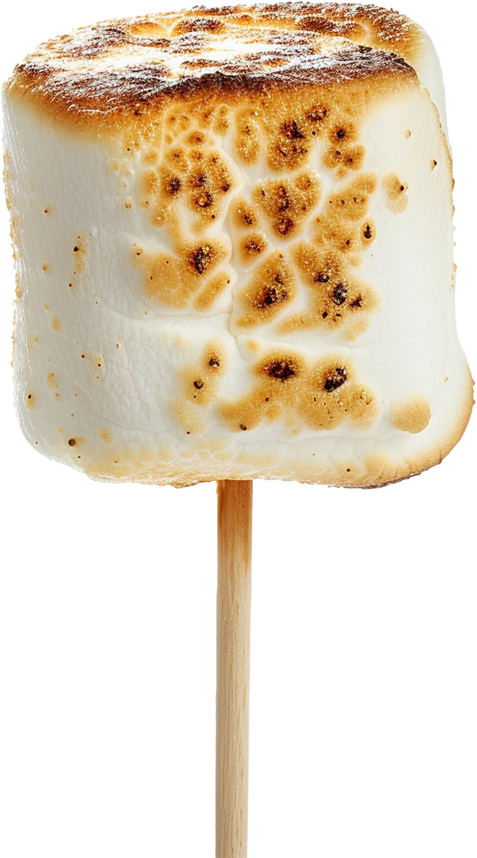
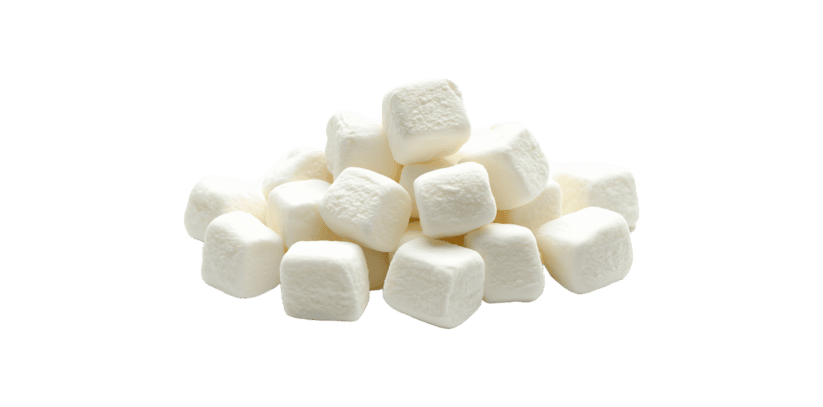
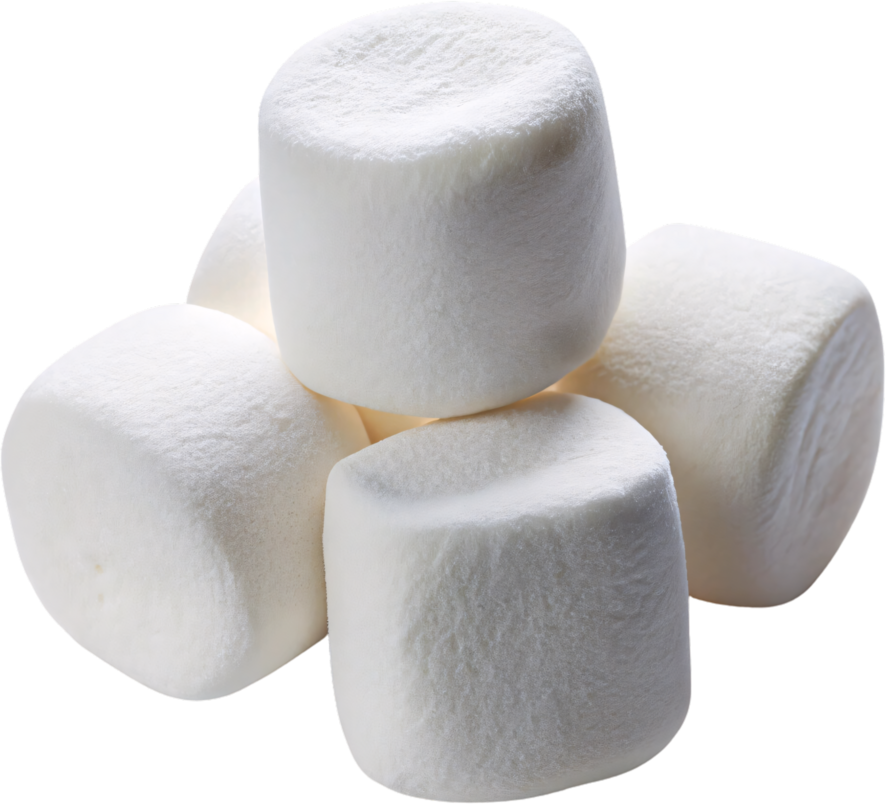
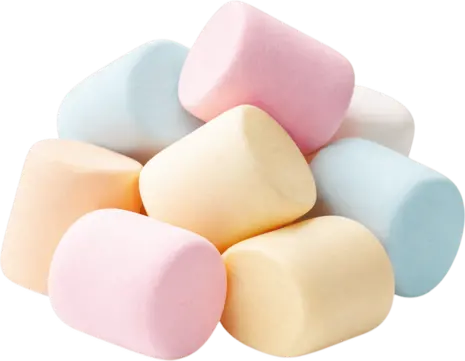
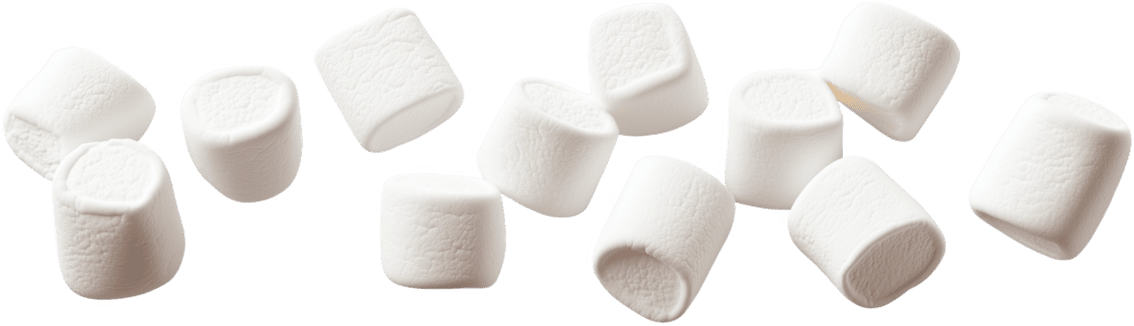
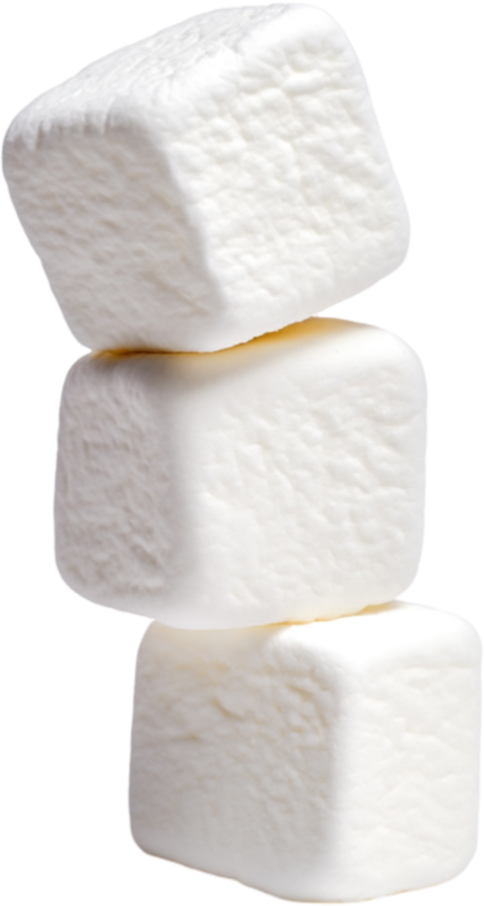
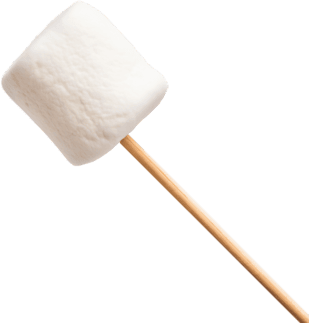
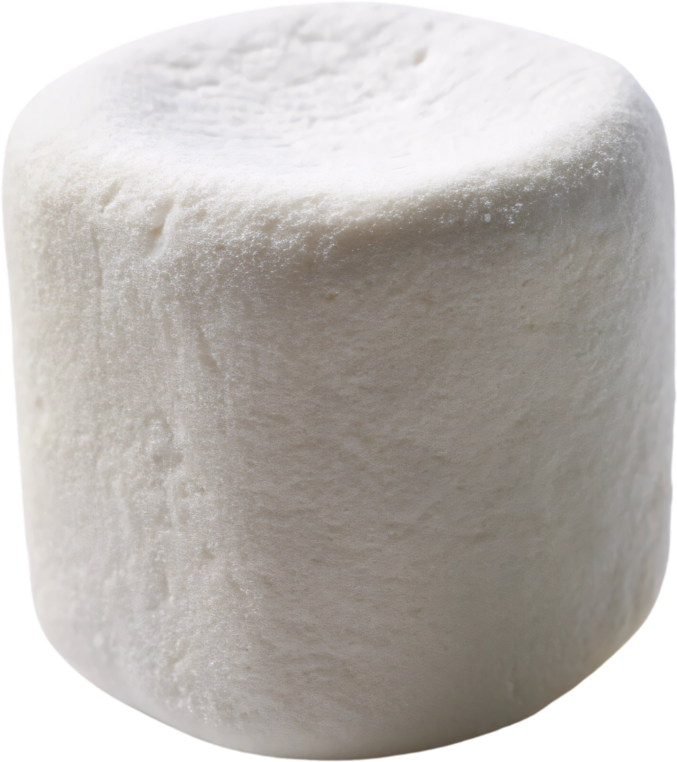
Marshmallow (UK: /ˌmɑːrʃˈmæloʊ/, US: /ˈmɑːrʃˌmɛloʊ, -mæl-/) is a confection made from sugar, water and gelatin whipped to a solid-but-soft consistency. It is used as a filling in baking or molded into shapes and coated with corn starch. This sugar confection is inspired by a medicinal confection made from Althaea officinalis, the marsh-mallow plant.
The word "marshmallow" comes from the mallow plant species (Althaea officinalis), a wetland weed native to parts of Europe, North Africa, and Asia that grows in marshes and other damp areas. The plant's stem and leaves are fleshy, and its white flower has five petals. It is not known exactly when marshmallows were invented, but their history goes back as early as 2000 BCE. Ancient Egyptians were said to be the first to make use of the root of the plant to soothe coughs and sore throats and to heal wounds. The first marshmallows were prepared by boiling pieces of root pulp with honey until thick. Once thickened, the mixture was strained, cooled, then used as intended.
Whether used for candy or medicine, the manufacture of marshmallows was limited to a small scale. In the early to mid-19th century, the marshmallow had made its way to France, where confectioners augmented the plant's traditional medicinal value. Owners of small confectionery stores would whip the sap from the mallow root into a fluffy candy mold. This candy, called Pâte de Guimauve, was a spongy-soft dessert made from whipping dried marshmallow roots with sugar, water, and egg whites. It was sold in bar form as a lozenge. Drying and preparation of the marshmallow took one to two days before the final product was produced. In the late 19th century, candy makers started looking for a new process and discovered the starch mogul system, in which trays of modified corn starch had a mold firmly pushed down in them to create cavities within the starch. The cavities were then filled with the whipped marshmallow sap mixture and allowed to cool or harden. At the same time, candy makers began to replace the mallow root with gelatin, which created a stable form of marshmallow.
By the early 20th century, thanks to the starch mogul system, marshmallows were available for mass consumption. In the United States, they were sold in tins as penny candy and used in a variety of food recipes like banana fluff, lime mallow sponge, and tutti frutti. In 1956, Alex Doumak patented the extrusion process that involved running marshmallow ingredients through tubes. The tubes created a long rope of marshmallow mixture and were then set out to cool. The ingredients were then cut into equal pieces and packaged.
Modern marshmallow manufacturing is highly automated and has been since the early 1950s, when the extrusion process was first developed. Numerous improvements and advancements allow for the production of thousands of pounds of marshmallow a day.
Marshmallows consist of four ingredients: sugar, water, air, and a whipping agent/aerator (usually a protein). The types of sugar and whipping agent vary depending on the desired characteristics. Each ingredient plays a specific role in the final product.
The marshmallow is a foam, consisting of an aqueous continuous phase and a gaseous dispersed phase; in other words, a liquid with gas bubbles spread throughout. Marshmallows are an "aerated" confection because the material is made up of 50% air. The goal of an aerated confection like a marshmallow is to incorporate gas into a sugar mixture and stabilize the aerated product before the gas can escape.
In commercial marshmallow manufacture, the entire process is streamlined and fully automated.
Gelatin is cooked with sugar and syrup. After the gelatin-containing syrup is cooked, it is allowed to cool slightly before air is incorporated. Whipping is generally accomplished in a rotor-stator type device. Compressed air is injected into the warm syrup, held at a temperature just above the melting point of gelatin. In a marshmallow aerator, pins on a rotating cylinder (rotor) intermesh with stationary pins on the wall (stator) provide the shear forces necessary to break the large injected air bubbles into numerous tiny bubbles that provide the smooth, fine-grained texture of the marshmallow. A continuous stream of light, fluffy marshmallow exits the aerator en route to the forming step.
The marshmallow confection is typically formed in one of three ways. First, it can be extruded in the desired shape and cut into pieces, as done for Jet-Puffed marshmallows. Second, it can be deposited onto a belt, as done for Peeps. Third, it can be deposited into a starch-based mold in a mogul to make various shapes.
In this page you can download free PNG images: Marshmallow PNG images free download