Language: English | Espana
Donate
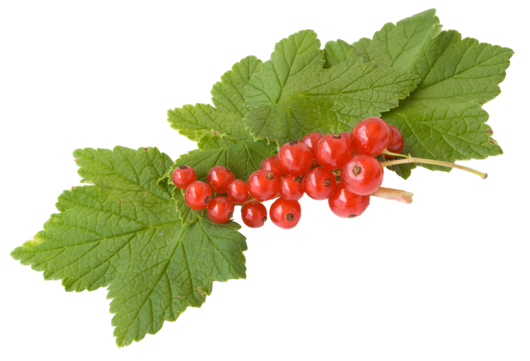
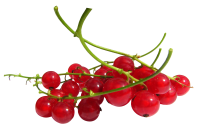
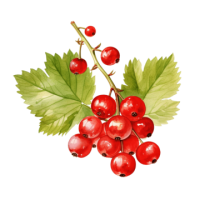
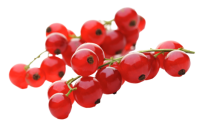
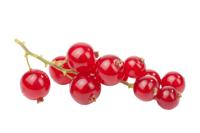
Redcurrant PNG
Download PNG image
Share image:

License: Attribution-NonCommercial 4.0 International (CC BY-NC 4.0)
Keywords: Redcurrant PNG size: 530x361px, Redcurrant PNG images, PNG image: Redcurrant PNG, free PNG image, Redcurrant
Image category: Redcurrant
Format: PNG image with alpha (transparent)
Resolution: 530x361
Size: 245 kb

Redcurrant PNG image with transparent background | redcurrant_PNG33.png

Home » FRUITS, NUTS » Redcurrant » Redcurrant PNG

This image has format transparent PNG with resolution 530x361.
You can download this image in best resolution from this page and use it for design and web design.

Redcurrant PNG with transparent background you can download for free, just click on download button.


More images of Redcurrant

Redcurrant

The redcurrant or red currant (Ribes rubrum) is a member of the genus Ribes in the family Grossulariaceae. It is native to western Europe. The species is widely cultivated and has escaped into the wild in many regions.

The redcurrant or red currant (Ribes rubrum) is a member of the genus Ribes in the family Grossulariaceae. The species is native to western Europe.[4] Ribes rubrum is a deciduous shrub normally growing to 1–1.5 metres (3+1⁄2–5 feet) tall, occasionally 2 m (7 ft), with five-lobed leaves arranged spirally on the stems. The flowers are inconspicuous yellow-green, in pendulous 4–8-centimetre (1+1⁄2–3+1⁄4-inch) racemes, maturing into bright red translucent edible berries about 8–12 millimetres (3⁄8–1⁄2 in) diameter; the wild plant has 3–10 berries on each raceme. The plant is self-pollinating, but produces more fruit when pollinated by another plant of a different variety. An established bush can produce 3–4 kilograms (6+1⁄2–8+3⁄4 pounds) of berries from mid- to late summer.

With maturity, the tart flavour of redcurrant fruit is slightly greater than its blackcurrant relative, but with the same approximate sweetness. The white-fruited variant of redcurrant, often referred to as white currant, has the same tart flavour but with greater sweetness. Although frequently cultivated for jams and cooked preparations, much like the white currant, it is often served raw or as a simple accompaniment in salads, garnishes, or drinks when in season.

In the United Kingdom, redcurrant jelly is a condiment often served with lamb, game meat including venison, turkey and goose in a festive or Sunday roast. It is essentially a jam and is made in the same way, by adding the redcurrants to sugar, boiling, and straining. In France, the highly rarefied and hand-made Bar-le-duc or "Lorraine jelly" is a spreadable preparation traditionally made from white currants or alternatively redcurrants. The pips are taken off by hand, originally by monks, with a goose feather, before cooking.

In Scandinavia and Schleswig-Holstein, it is often used in fruit soups and summer puddings (rødgrød, rote Grütze or rode grütt). In Germany it is also used in combination with custard or meringue as a filling for tarts.

In German-speaking areas, syrup or nectar derived from the redcurrant is added to soda water and enjoyed as a refreshing drink named Johannisbeerschorle. It is so named because the redcurrants (Johannisbeeren, "John's berry" in German) are said to ripen first on St. John's Day, also known as Midsummer Day, June 24. In Linz, Austria, it is the most commonly used filling for the Linzer torte. It can be enjoyed in its fresh state without the addition of sugar.

In Russia, redcurrants are ubiquitous and used in jams, preserves, compotes and desserts. It is also used to make kissel, a sweet dessert made from fresh berries or fruits (such as redcurrants, cherries, cranberries). The leaves have many uses in traditional medicine, such as making an infusion with black tea.

In this page you can download free PNG images: Redcurrant PNG images free download